Key Points
- Cam’ron says he co-wrote parts of the track. He claims a promised favour never came through.
- J. Cole allegedly agreed to a podcast appearance. Alternatively he would record another joint song later.
- The song flips Dipset and Barbara Mason works. The suit seeks credit and revenue share rights.
Cam’ron (Cameron Ezike Giles) has sued J. Cole. He says their song, Ready ’24, used his verse. Cole is listed as defendant in new court filings. J. Cole (Jermaine Lamarr Cole) has not responded publicly.
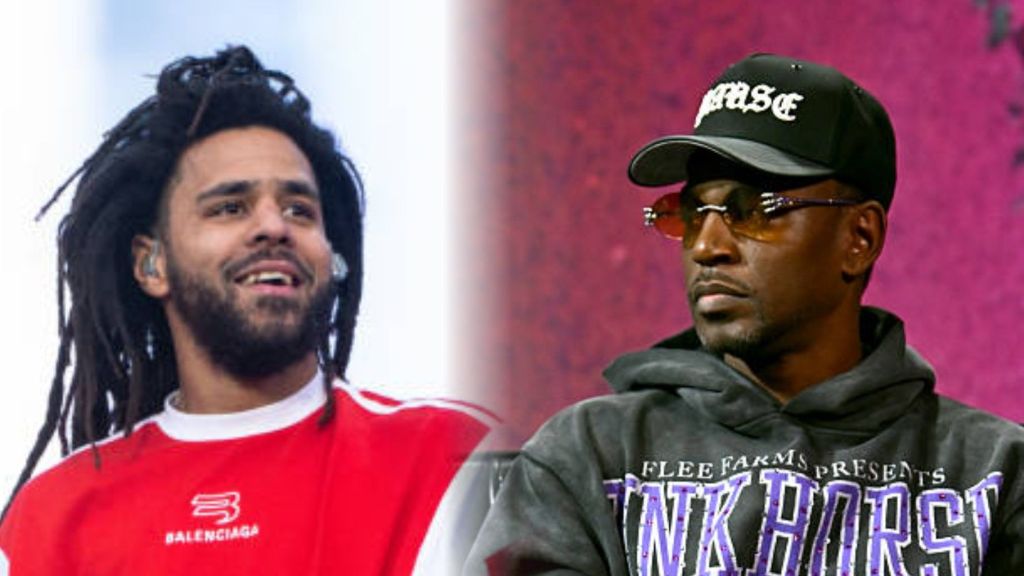
Court papers say Cole promised a specific reciprocal favour. He would join Cam’ron’s It Is What It Is. Otherwise, he would cut another song with Cam’ron. Recent industry drama includes Megan Thee Stallion bots claim.
What the lawsuit seeks
Cam’ron says Cole failed to honour the deal. He asks the court for joint authorship on credits. He also wants a fair share of revenue. He claims delayed promises led to financial loss.
How the record was made
The song borrows from Dipset’s 2003 anthem I’m Ready. It also samples Barbara Mason’s classic Yes, I’m Ready. Cole and Cam’ron trade bars on career pride. The record arrived during a run of headline moments.
Legal experts say authorship disputes often settle out quietly. Both sides may weigh costs against public relations risk. Cole’s team has not issued a public response. A judge will decide next steps after first filings.
The case lands during a busy entertainment news cycle. Recent debates include Kiddwaya backlash over fidelity claims. Fans also watch collaborations and sample credits more closely. This suit could shape future credit talks for features.
Dipset’s I’m Ready appeared on Diplomatic Immunity two decades ago. That record features Cam’ron, Juelz Santana and Jim Jones. Its swaggering hook underpins the new collaboration’s energy. Fans linked the tracks soon after the song dropped.
Barbara Mason’s classic adds a soft, soulful counterpoint. Her original reached charts during the mid sixties. That contrast frames Cole’s calm but assertive delivery. Cam’ron’s ad-libs steer the track’s bright nostalgia tone.
Authorship claims turn on emails, drafts and studio records. Courts ask whether words or melodies meet contribution thresholds. If credit is granted, royalty shares usually adjust. Many disputes end with confidential settlement agreements signed.
For now, both artists await the court timetable. Fans debate fairness while streaming the record anew. Labels and publishers will watch the case closely. Outcome could influence how credits get promised early.
The track plays on major services and hip-hop radio. Listeners praise the chemistry despite the legal wrangle. Others question whether side deals should drive credits. Fairness arguments mix with debates over sampling ethics.
Cam’ron seeks recognition for words he says contributed. Cole faces scrutiny over alleged promises and agreements. The court will examine evidence from both sides. A decision could arrive before year end depending.