
Key Points
- Tiwa Savage praised Shatta Wale for an unexpected act of generosity. She says he refused money and sent the verse for free.
- Shatta Wale turned down a ₦100m offer when he heard the artist. He reportedly called Tiwa his sister and refused the payment.
- The story highlights solidarity between West African musicians on collaborations. Fans reacted warmly to the singer’s public praise online.
Tiwa Savage (Tiwatope Omolara Savage) says Shatta Wale (Charles Nii Armah Mensah Jr.) refused payment. She told reporters he turned down a 100 million naira fee and gifted a verse.
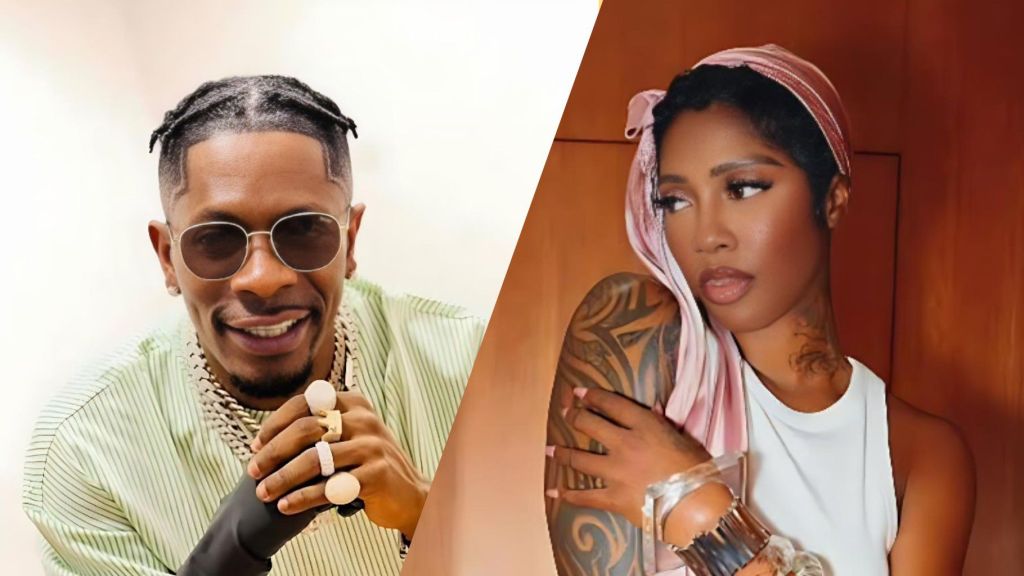
Tiwa said she had discussed the booking with Shatta Wale’s management first. Davido Shatta Wale joint song was one of the recent headlines linking both artists, she added.
She said the manager quoted a fee but Shatta immediately refused when he heard her name. The artist told the room he knew how hard it is for women in music.
How the exchange happened
Tiwa explained she avoided asking Shatta directly out of concern for a price demand. She said talking to his team seemed the proper route at first. The management sent an invoice for one hundred million naira as a booking fee.
When Shatta learned the request was for Tiwa, he refused the money and sent the verse anyway. Tiwa called the move a rare act of respect and brotherhood in music. Fans on social media praised the gesture and shared supportive messages.
The two artists have crossed paths publicly in recent months through collaborative rumours and industry talk. Their friendly exchange adds to a run of headlines about Shatta Wale’s busy year. In a recent piece, writers explored his growing public profile and finances. Shatta Wale richer than peers ran recently and kept the star in headlines.
What this means for women in music
Tiwa framed the moment as more than a free verse or a headline grab. She said it shows how respect and loyalty still matter to some artists. The singer noted that financial offers do not always measure true support among peers.
Music critics said the anecdote may improve conversation about collaboration ethics in West Africa. They argued public stories like this could nudge the industry toward fairer, kinder practices. For now, fans have taken the story as proof that solidarity still exists among musicians