
Key Points
- Former Bonghe Microfinance Bank MD Grace Andreas Karka moved bank money. EFCC traced transfers to a non-customer’s accounts.
- Judge Benjamin Lawan Manji said evidence proved conspiracy and cheating. He delivered a five-year custodial sentence.
- Court set a ₦3m-per-count fine running together. She must refund ₦29.8m.
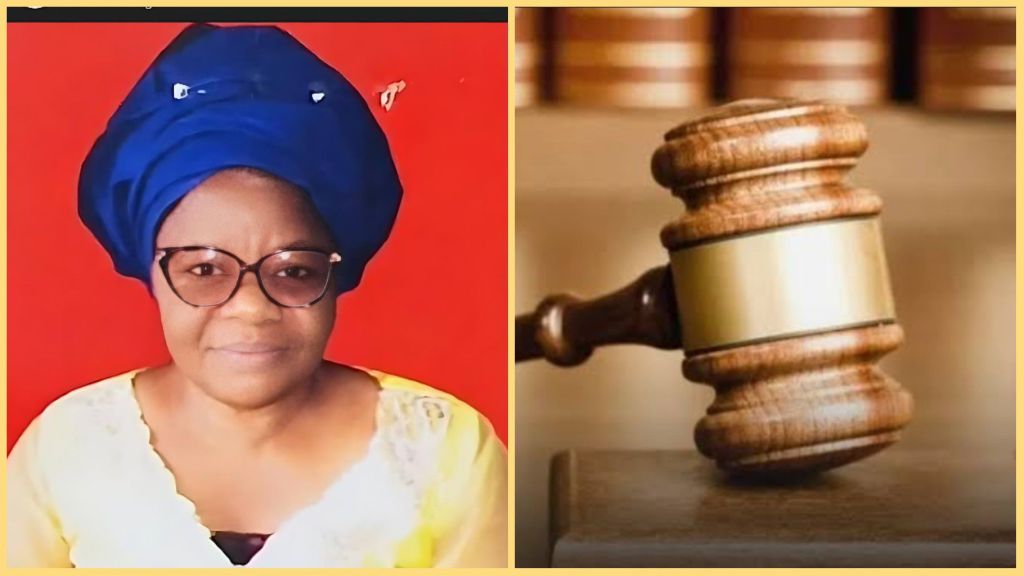
Former Managing Director of Bonghe Microfinance Bank, Grace Andreas Karka, has been jailed for five years by the Adamawa State High Court in Yola. The court ruled that she diverted ₦32 million from the bank into accounts linked to a man identified as Prince Moses Batalu.
The EFCC said the transfers happened between August 2020 and March 2021. It told the court that internal checks first exposed the shortfall, prompting a petition to investigators. The ruling aligns with a broader wave of graft cases and recent EFCC convictions.
How auditors flagged the transfers
EFCC witnesses presented bank records showing repeated debits from a First Bank account ending 201****57. Investigators said Batalu held no account with the microfinance bank, yet received large inflows from it. The bank tried to recover the sums without success before turning to the agency.
Karka denied wrongdoing. Her defence called three witnesses. The judge found the prosecution’s documents and testimony more direct and reliable than the defence story.
Judge’s orders and restitution
Justice Benjamin Lawan Manji held that the EFCC proved criminal conspiracy and cheating under the Adamawa State Penal Code Law 2018. He imposed a five-year term with an option of a ₦3 million fine on each count, to run concurrently.
The court also ordered Karka to refund ₦29.8 million to Bonghe Microfinance Bank. The restitution aims to close the outstanding gap from the diverted funds and protect depositors.
Why the case matters
Microfinance banks rely on strict internal controls because they serve small firms and low-income customers. Insider fraud can quickly erode trust and harm local credit. This judgment sends a clear warning to managers who may abuse access to client funds.
The EFCC has recently pushed for faster corruption trials and stronger remedies. Its leadership has urged tougher court processes and coordination to deter future cases. That call reflects an EFCC anti-corruption push seen across several zones.
Karka’s conviction underscores the role of prompt audits, early reporting, and full documentation. Those steps helped investigators trace the funds and build a timeline the court accepted