Preserving the spirit of tradition through education, diversity and inclusion
By Engr. Chief Emmanuel Essien Udo (JP)
Introduction
In the tradition of several Nigerian communities, especially in the South East and South-South, the gift of kolanut, carries a message of immense traditional meaning and implication far greater than its size and quantity. It welcomes the visitor, opens atmosphere of communion, honours fellowship, creates an occasion for prayers, goodwill and shared belonging. Scholarship on the kolanut tradition highlights love, hospitality, acceptance and brotherly communion as central to its meaning.
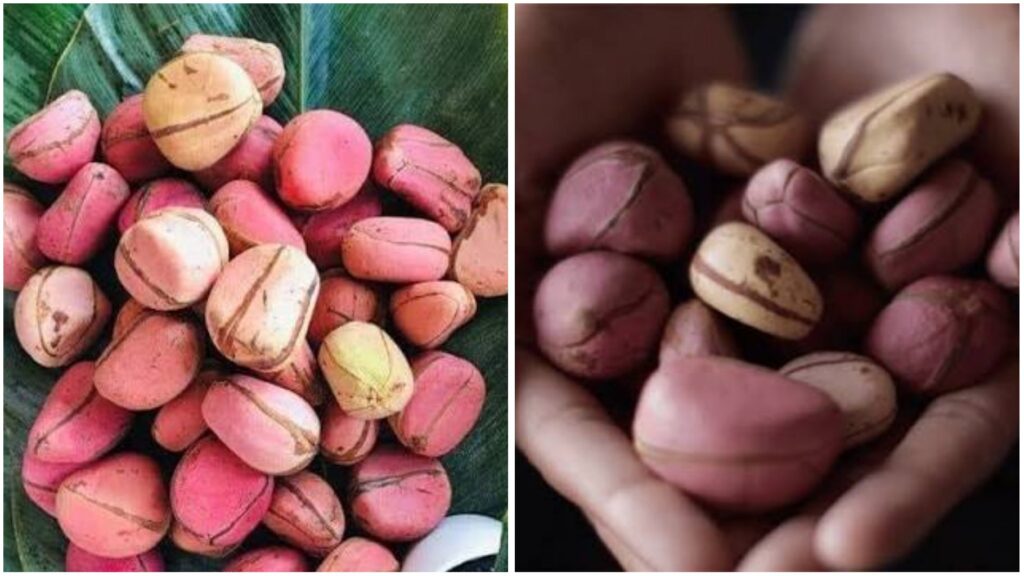
At many traditional and formal gatherings, a kolanut is usally presented as a central gift to all present. Just as the blessing is about to begin, a familiar declaration is heard; Kola nut does not hear or speak English. After declaring that Kola nut does not hear or speak English, the prayer then proceeds in the indigenous language, preserving a practice handed down through generations. However, before the prayers, another popular phrase He who brings Kola brings life is proclaimed.
In a gathering where several languages and cultures are represented, a deep introspection question arises; If a formally presented kolanut brings life to everyone present, shouldn’t its message of life, through the prayers and proclamations, be understood by everyone present? If yes, why wont the kolanut speak or hear common languages like English the same way it speaks the language of the specific locality?
Understanding the context of the wisdom of our forebearers
This article is not intended to criticize our forbearers, it intended to widen the horizon of our cherished culture and tradition, globalize our rich cultural heritage and foster a more inclusive community in the global shared space. The declaration that kolanut does not understand English is a mere cultural expression and not botanical nor scholarly claim. It helps to affirm the place of indigenous language in a cherished ceremony.
Indigenous languages carry deeper meaning to their words more than just information. Their proverbs, rhythms, humour and expressions of reverence give our ceremony its distinctive character and meaning. Let me concede that some meaning of our words loses their richness and texture in translation, therefore making the desire to preserve that inheritance legitimate tendency. In a gathering whose members share a common language like English, praying in that language creates immediate connection and the listeners understand the petitions, appreciate the imagery and respond with confidence.
The challenge arises when the composition of the gathering has a more global characteristics while the language rule remains inflexible. A practice that creates intimacy among people who understand that particular language can leave others standing aloof at the edge of the experience. We can therefore still honour the wisdom of the elders while considering how that wisdom should welcome the multilingual guests of today.
The community has evolved beyond one language
Many contemporary ceremonies bring together people from different ethnic groups, professions, religions and nationalities. Inter-tribal marriage has joined families across linguistic boundaries and will continue to do so while workplaces will continue to create friendships across regions and tribes. Places of worships, higher institutions of learning, research centers and professional associations gather people whose mother tongues differ. At such occasions, guests may understand the speech introducing the dignitaries, the explanation of the programme and the announcements about event, yet understand nothing of the prayer intended to welcome, bless, share life and love with all participants present. People may gesture respectfully, chorus the response when they see others do, but inclusive attendance and meaningful participation are far fetched. It is only a guest who understands the traditional prayer that can receive its message, reflect on its meaning and respond sincerely because understanding gives the guest a sense of inclusion within the ceremony and the community. The language of welcome, love, communion, share of life, goodwill and prayers should sincerely help a guest embrace the gathering fully.
The time, therefore, is ripe to make a respectful argument that the modern kolanut has travelled and acquired additional languages other than the local dialect. In the language of metaphor, today’s kolanut is educated, it hears and speaks English, alongside all local dialects through which human beings express love, welcome, gratitude, goodwill and prayers.
Our Kolanut is educated, can hear and speak English and other languages
Borrowing the humour of our forebearers and extending the metaphor, we can say with confidence that today’s kolanut has travelled from farms to markets, from villages to cities and from family compounds to international gatherings. Its cultivation, trade and cultural significance are discussed in classrooms, conferences, agricultural settings and professional circles. With this article and other scholarly exchanges, kolanut has found its way into the cyberspace for academic surgery with its local tribal name translated as kolanut in English language. Although its English name may not determine the proper language of a traditional rite, it is nevertheless very clear that the kolanut already exists comfortably in a world of many languages including English.
In some cases, the elder blessing the kolanut are professionals with very high academic standing while the guests sitting with them in an event may be those whose shared language is English with different identities of mother tongues. This article is advocating that the kolanut that unites them into the event or ceremony should also accommodate the common language through which they understand one another. While kolanut’s education should not make it to forget its ancestral home, its education should enlarge its capacity to welcome guests of diverse dialectical boundaries thereby fostering a more inclusive environment. In other words, the modern kolanut can remain deeply rooted in its culture while becoming multilingual in its hospitality.
Traditional hospitality & Inclusive prayers find fulfilment in understanding
The strongest argument for flexibility lies in the purpose of the ceremony itself. If the kola signifies goodwill, its blessing should communicate goodwill. If it expresses fellowship, its presentation should strengthen fellowship. If it brings life, its message should reach the people gathered to share that life. Imagine a ceremony attended by multi-ethnic, multi-tribal and international guests where English is their common language, an English blessing can make the occasion warmer, livelier and more participatory. Where no single language reaches everyone, interpretation can provide the bridge. This does not make English inherently superior. Where the gathering is near homogeneous, then the traditional language may suffice. The guiding question should be, which language, or combination of languages, will best honour this gathering and allow its members to participate? That question places the generality of the guests or participants at the centre of hospitality. Let’s preserve the roots, widen the welcome and let the kolanut speak to everyone. He who brings kola brings life. Let everyone present in the ceremony understand & share the blessings.
Conclusion
The enduring significance of the kolanut tradition lies in its ability to bring people together in welcome, fellowship and goodwill. Our indigenous languages remain precious vessels of cultural memory and deserve to be preserved, spoken and passed on to future generations. At gatherings that bring different peoples together, however, offering a translation or blessing the kola in a shared language can extend that hospitality to every guest or participant. By allowing everyone to understand and participate, we honour both the heritage entrusted to us and the people who gather to share in it.
The modern-day kolanut is therefore educated because it is handled by literate professionals. It remembers its ancestral language and also embraces the languages of its neighbours, participants and guests. The kolanuts education should deepen its capacity to love, unite and make the circle of inclusivity wider without weakening its cultural roots. Let our elders continue to bless the kola with wisdom, let that wisdom reach every heart around the gathering; for if “he who brings kola brings life,” then everyone present in the ceremony deserves to understand the blessing and share fully in the life it celebrates.
READ ALSO: History of Ikot Ekpong Village
About the Author
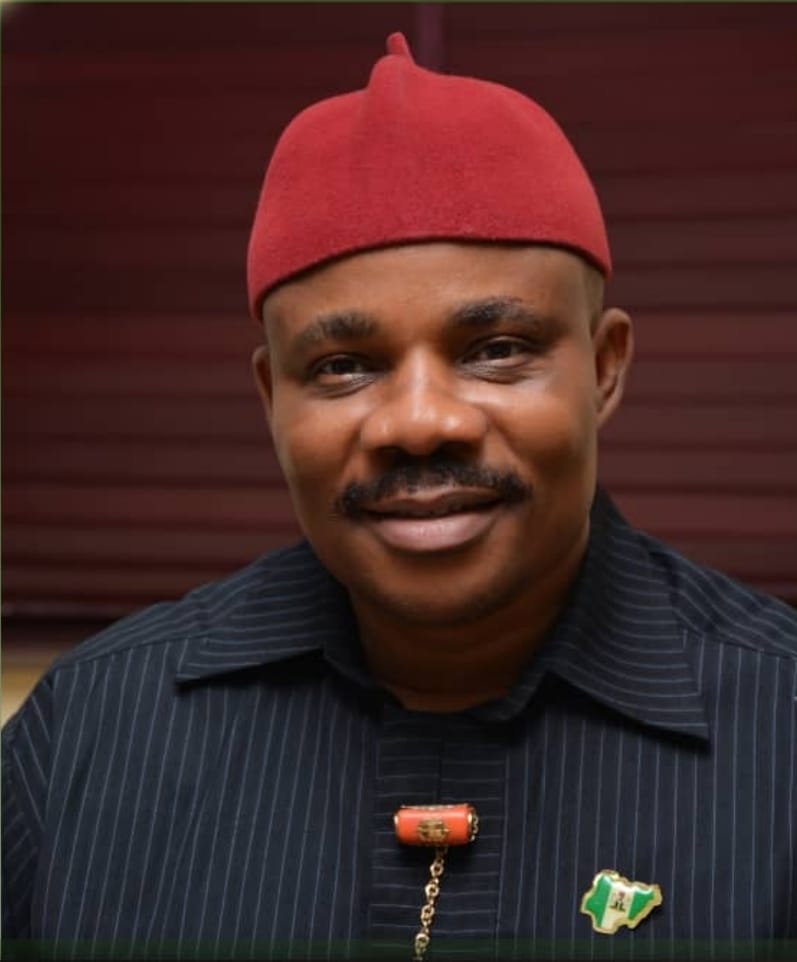
Engr. Chief Emmanuel Essien Udo is a community leader, a researcher and a commentator on contemporary issues. He is a Nigerian from Ikot Ekpong, Adiasim, Essien Udim LGA, Akwa Ibom State.