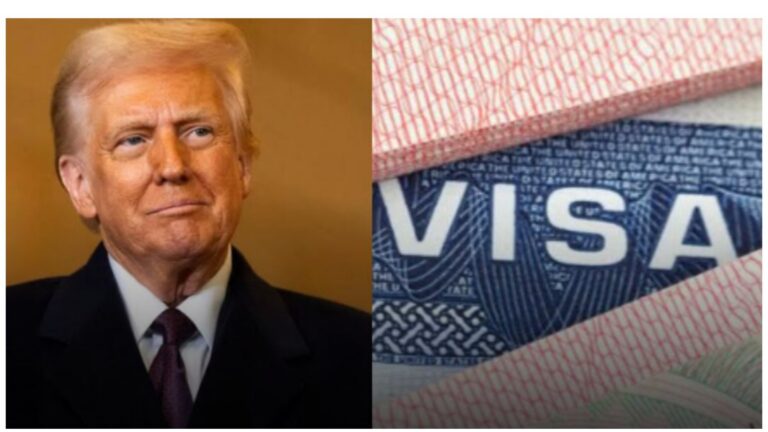
The US government targets six nations for failing to stop forced labour in supply chains
The United States imposed a 12.5 per cent tariff on goods imported from Nigeria on July 23, 2026. The trade office cited the failure to stop forced labour. Five other nations, including the UK and India, received a 10 per cent rate.
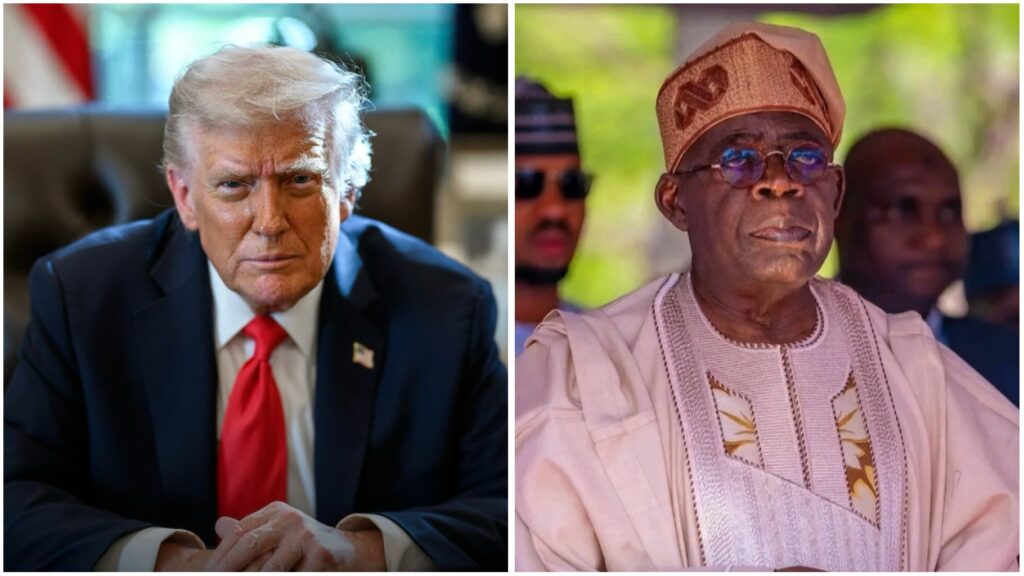
The US government took strict steps against global forced labour on July 23, 2026. Officials placed a 12.5 per cent tariff on all goods coming from Nigeria.
The Office of the United States Trade Representative led this action. The agency targets countries that fail to enforce bans on forced labour. Nigeria faces the highest rate among six taxed nations.
The list of affected countries includes India, Indonesia, Malaysia, Mexico and the United Kingdom. These five partners received a lower 10 per cent tax.
Deep global probe
US Trade Representative Jamieson Greer explained the long process before the final ruling. His team checked trade practices across 60 global economies. The agency also held two rounds of public hearings.
Investigators spoke with more than 45 governments during the probe. They reviewed thousands of public comments before deciding on the new taxes.
“President Trump recognises that decades of moral suasion have not eradicated forced labour from global supply chains,” Greer said.
“The United States has had a forced labor import ban for nearly a century. It’s well past time for our trading partners to do the same,” Greer added.
Trade laws and legal shifts
This move marks a major shift in global trade policy for the Trump administration. The president used existing trade laws to apply these new taxes.
The current tariffs arrive six months after a major legal defeat. The US Supreme Court previously blocked an attempt to force broad global taxes. The White House had tried to use the International Emergency Economic Powers Act.
After the court ruling, Trump changed his legal plan. He used Section 122 of the Trade Act of 1974.
That older law allowed him to add a 10 per cent general tax. This tax applied to US imports for up to 150 days. The administration later increased that rate to 15 per cent.