Key points
- Music producer Samklef says President Tinubu works better than Obasanjo. He calls the view his honest take on politics.
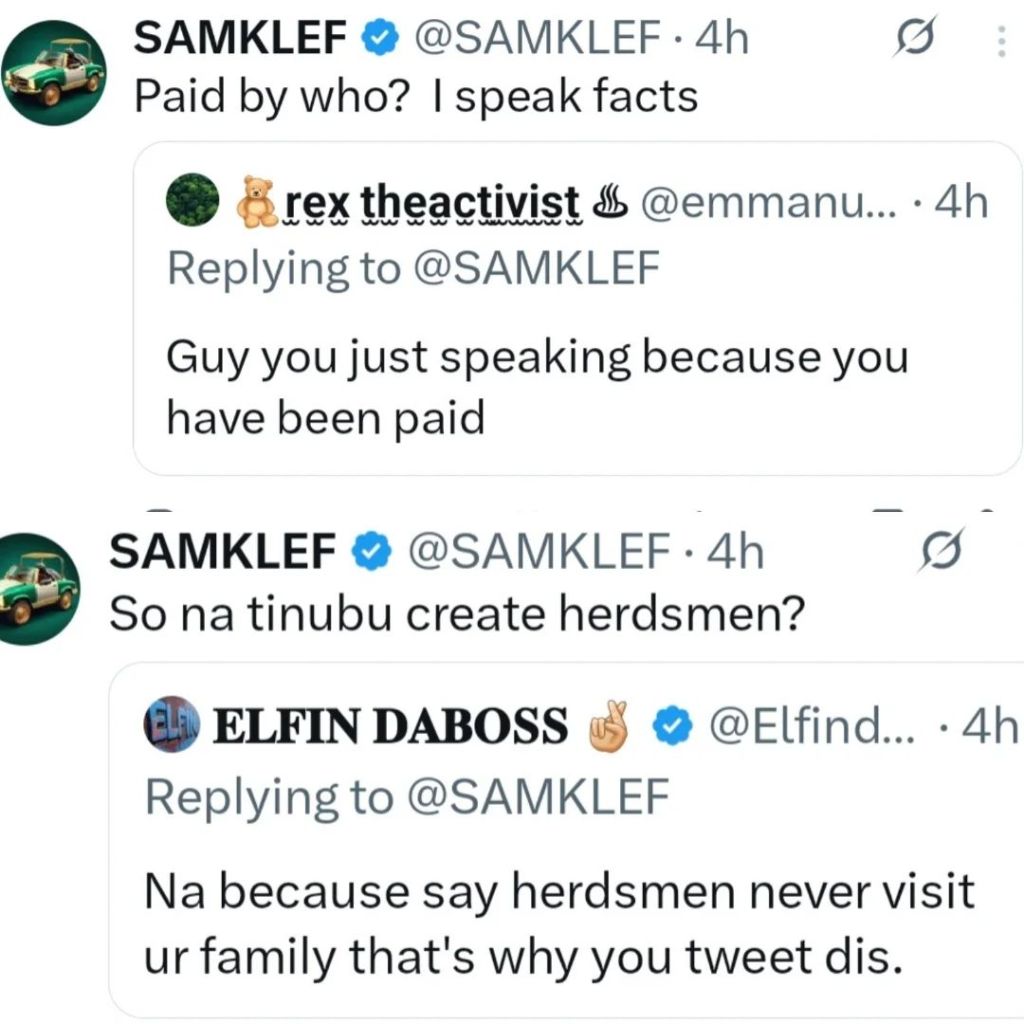
- Critics online accuse him of taking money to praise Tinubu. He denies the claim and says he only shares facts.
- Some fans cite herdsmen attacks to reject his message. The clash shows how tense talk about Tinubu still feels.
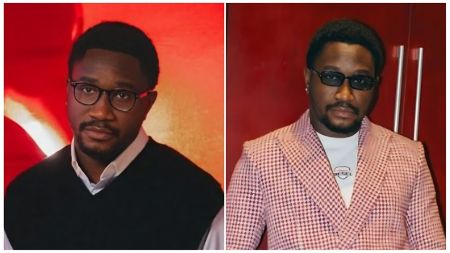
Music producer and media personality Samklef (Samuel Oguachuba) has sparked a fresh online debate after saying President Bola Ahmed Tinubu has so far been a better leader than former President Olusegun Obasanjo. He shared the view in a post on X, stressing that he was speaking from his own “perspective.”
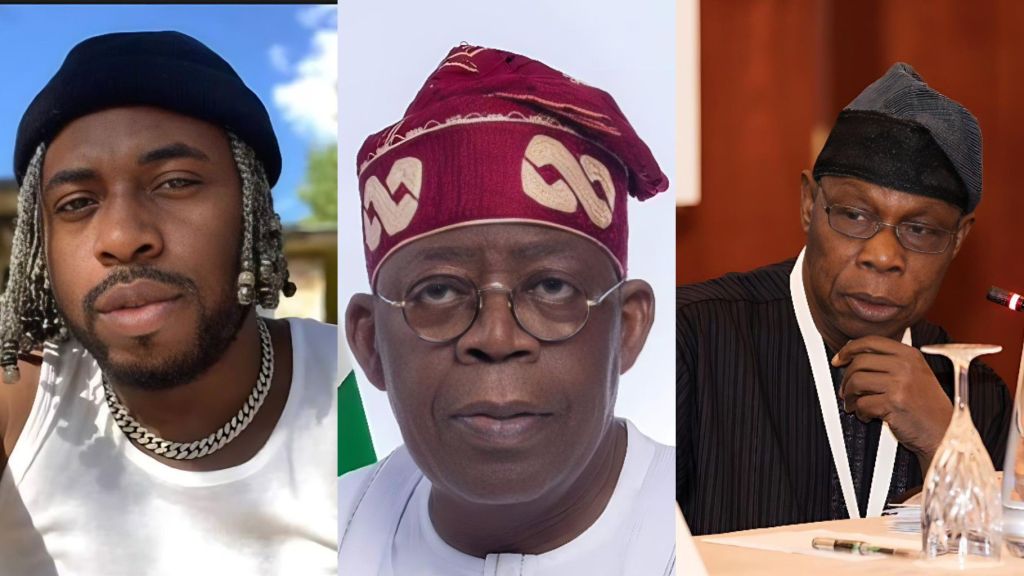
In the viral post, Samklef wrote that Tinubu had been “a better president than Obasanjo,” without giving long details to back the claim. His remark came at a time when many Nigerians still share mixed views on Tinubu’s first years in office and argue daily over his record on the economy and security, similar to recent Seyi Law defends Tinubu claim stories.
Samklef says he is not paid to praise Tinubu
Shortly after he posted the comparison, one user replied that the producer was talking because he had been “paid.” The fan suggested that no one could rate Tinubu higher than Obasanjo without some kind of benefit.
Samklef pushed back in another post and asked, “Paid by who?” He added that he only “speaks facts,” making it clear that he wanted people to see the comment as his honest view, not a sponsored message. He did not name any group, party, or office behind his statement.
The exchange drew more people into the thread as others joined to either support or reject the music producer’s stance. Some users praised him for saying what they also felt but were scared to post. Others warned him that such comments could make fans turn on him.
Fans raise herdsmen killings and security fears
At one point in the back-and-forth, Samklef turned to the long-running issue of armed herdsmen. He asked one critic if they were trying to blame Tinubu for “creating” herdsmen, hinting that the clashes in parts of Nigeria started before the current government.
Another user hit back that the producer only felt comfortable saying such things because “herdsmen never visit” his own family. That reply echoed the anger of many Nigerians who link herdsmen attacks, kidnappings, and farm raids to current worries about safety.
For those critics, any praise of Tinubu on security sounds tone deaf while they still mourn lost relatives or live in fear of bandits and rural raids. They argued that the president should be judged on how far these threats have reduced, not on how his style compares to past leaders.
The thread later widened into a broader clash over how to score federal leadership in general. Some people said Obasanjo also faced heavy complaints during his time in office from 1999 to 2007.
Others insisted that, in their view, the former president left behind stronger institutions and better hope than they feel now.
Tinubu, who took office in 2023, has promised to fix the economy, tackle fuel and power issues, and reform security agencies. His backers say reforms take time and point to moves like subsidy changes, exchange-rate shifts, and security meetings with foreign partners.
His critics, including figures like Isaac Fayose in recent Isaac Fayose tells Tinubu resign now clips, argue that hardship has deepened on his watch.
Samklef’s choice to bring Obasanjo into the mix added another layer to the long-running “who did better” argument between presidents.
Supporters of Obasanjo hailed his debt relief push and telecoms boom, while those on Tinubu’s side praised his bold steps on subsidy removal and some anti-corruption cases.
Through it all, the producer kept his main stance. He wrote that people were free to disagree with him but should not twist his words or accuse him of working for anyone. For him, the post was a simple ranking of leaders based on how he sees things today.
The noisy thread under his handle shows how split Nigerians still are over Tinubu’s record. It also proves how a single sentence from a well-known figure can reignite old debates over past leaders, current pain, and what a “better president” really means