Key Points
- The UK refused Nigeria’s transfer request on Monday. Officials said Britain must enforce the full sentence.
- Ekweremadu was jailed in 2023 for organ trafficking. He got nine years and eight months in jail.
- A government team had asked that he be moved. The UK rejected the request over prison guarantee doubts.
The UK has rejected a formal request from Nigeria to transfer Ike Ekweremadu so he can finish his sentence at home. He was convicted in 2023 over a plot to harvest a young man’s kidney, and the British decision means he will remain in UK custody.

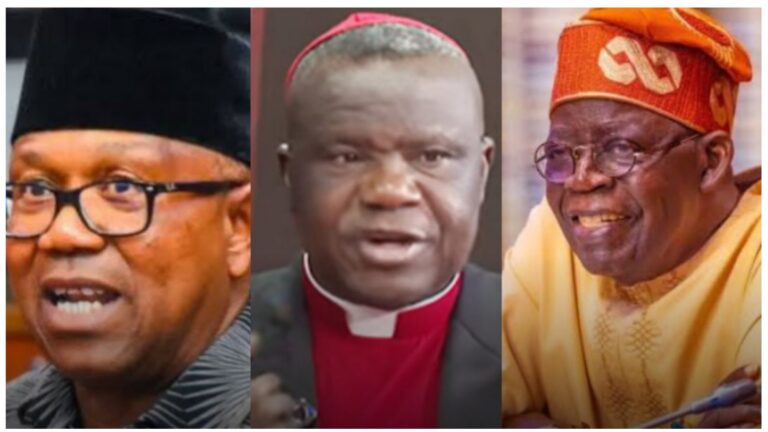
Ekweremadu was found guilty after a high-profile trial in London that drew wide attention. A government delegation had sought his transfer after Tinubu ministers meeting UK officials.
Court case and sentence
A UK court sentenced Ekweremadu to nine years and eight months in 2023. The conviction followed evidence the court said showed a plan to bring a man to Britain for a kidney.
His wife and a medical middleman were also convicted and jailed for their roles. The judge called the plot a form of modern slavery and warned against organ trading.
The Ministry of Justice said transfers are assessed on the facts and law. Officials said they could not accept the transfer without clear assurances on custody.
The UK decision follows months of diplomacy and talks over the case. The move followed prior visits and meetings including Tinubu meeting with Donald Trump.
Why ministers sought a transfer
Nigeria’s government argued that Ekweremadu should serve his remaining term in Nigeria. The request aimed to allow family visits and to move sentence administration home.
Officials from both countries discussed legal steps and treaty conditions during the talks. The UK said those talks did not satisfy its need for firm guarantees on sentence enforcement.
Legal experts note that prisoner transfers depend on binding assurances from the receiving state. They add that treaties and clear promises guide whether a transfer is lawful.
Diplomatic fallout and reactions
The decision drew quick reaction from leaders in the south-east of Nigeria and other quarters. Some leaders said Nigeria should still press for its citizens in foreign jails.
Others urged calm and called for a review of legal options and appeals. Lawyers say appeals and diplomatic talks can continue while custody remains in Britain.
Human rights groups welcomed the UK stance on modern slavery and organ trafficking. They said the ruling sends a firm message about cross-border crime and victim protection.
Ekweremadu will remain in a UK prison while any legal reviews or appeals go ahead. Nigeria’s foreign ministry did not immediately issue a full public response to the ruling.
What comes next
Officials in Abuja can ask the UK to reconsider the transfer with clearer guarantees. They can also pursue diplomatic or legal channels under treaty rules.
For now, the UK position keeps Ekweremadu under British custody and law. That outcome closes the chapter on any immediate transfer plans.