Key Points
- Terry G backs Burna Boy and says concert space must stay respectful. He compares shows to church services where people are asked to wake up.
- The remarks come amid broader debate over fan conduct and artist safety. Fans split online about who bears responsibility during live shows.
- ValidUpdates coverage shows ticket demand and tour plans are changing. Promoters now review sales and refunds after recent incidents.
Terry G defends Burna Boy (Damini Ebunoluwa Ogulu) after a viral clip showed a fan removed for sleeping during a show. He argues that performers should not be made uncomfortable at their own concerts.
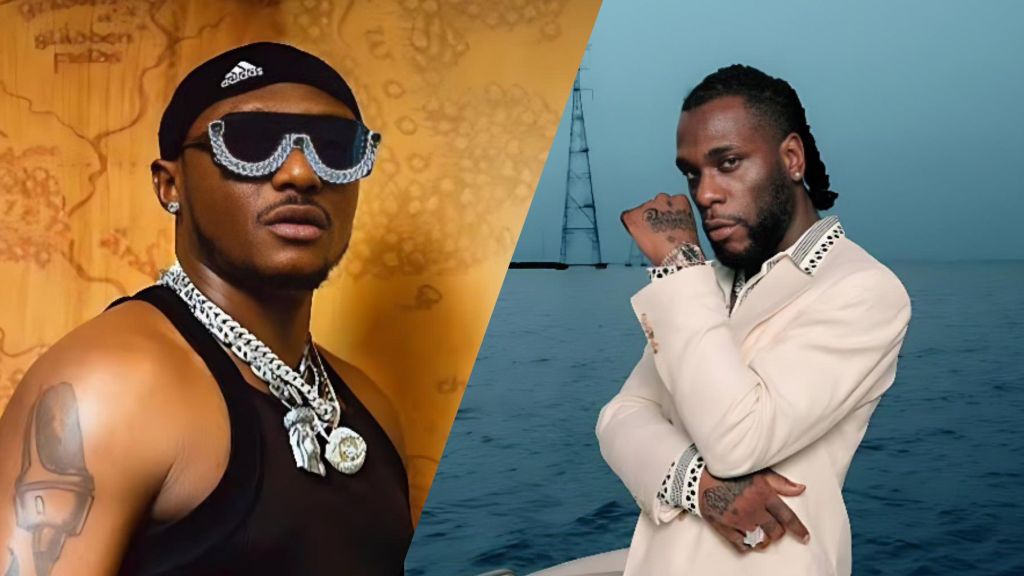
His defence follows a wider backlash over the fan removal and the singer’s blunt comments online. That backlash has been linked to falling ticket demand recently. See our report on Burna Boy ticket sales fall after a clip of him criticising Nigeria.
Why Terry G says rules matter
Terry G told interviewers that concerts need rules similar to other public events. He used a church example to explain why ushers would wake sleeping attendees.
He said performers pour their energy into shows and expect basic respect in return. He stressed that paying for a ticket does not give licence to be rude.
Terry G also criticised social reaction that he called uneven and performative. He said people rush to judge artists while ignoring broader context and safety concerns.
Promoters and industry figures now say they will watch ticket trends closely across markets. Some promoters have already paused or reshaped dates after seeing early refunds.
Burna Boy has publicly defended his action and apologised where necessary while standing by his choices. His team says the singer feels strongly about being treated with respect on stage.
Our coverage tracks the unfolding impact on tour plans and how fans react in different cities. For deeper detail see the ValidUpdates piece onBurna Boy cancels five arena dates after low US sales.
Promoters now face a choice between rescheduling shows or keeping dates and tightening venue rules. Fans continue to debate whether artists or audiences hold blame for such rows