Key Points
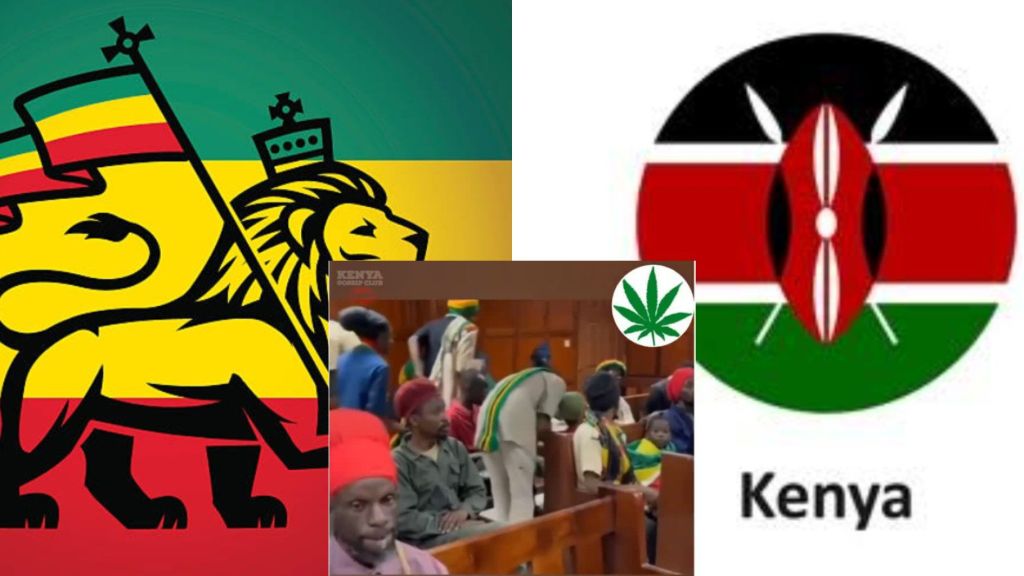
- Rastafarians file a petition at a Nairobi high court. They say marijuana is a holy herb vital for worship.
- The petition asks judges to protect their right to religious practice. Members tell the court cannabis helps them pray, think, and grow.
- Kenya still bans marijuana use, with jail terms for possession. The case could test how courts balance faith rights and drug law.
Rasta worshippers have gone to court in Kenya to push for weed law change. The group filed a petition saying the plant is central to their faith.
They describe the plant as a holy herb used for prayer and calm. Debate on faith, rights and drug use also appears in celebrity stories. One example is Kim Kardashian studies law to shield, as she seeks fair trials for them.
Rastafarians call cannabis a holy herb
In court, the worshippers say they use the herb in prayer, song and rest. They insist the smoke helps them focus, slow down and reach a calm state. Some drink it as tea or burn it as incense during long worship hours.
The court paper asks judges to stop police from arresting adult members for private use. They want a rule that lets them keep and use weed at home or worship. Lawyers for the group say the ban breaks their right to belief and practice.
They call it a “holy herb” that helps them feel closer to Jah when they pray. In their view, banning the herb means the state blocks a key part of worship. They tell judges they are peaceful people who want respect, not fear, from the police.
Kenya faces new test over strict marijuana law
Kenyan law still treats weed use as a crime with harsh jail terms. People found with small amounts can face arrest, trial and time behind bars. Some church elders and parents say legal use would hurt young people and raise crime.
Across Africa, some states now allow weed for health or trade only. South Africa lets adults grow and use weed at home, while others run legal farms. Kenya has not joined this list, so the case could shape any future rule.
Some legal watchers say these cases push courts to match drug laws with basic rights. They note that faith groups often ask for room to live out their beliefs. The outcome here may guide how judges treat later claims about holy items or rites.
Judges must weigh faith rights against drug control
The petition asks the high court to say if faith use of weed deserves special cover. Members say they are not dealers, but simple worshippers who need space to pray and think. Other stories, like Ned Nwoko urges full drug therapy, show drugs can shape home choices.
For now, Rasta worshippers wait for the court to fix a hearing date or give orders. Their case will show judges who must guard faith while keeping drug use in check.
For many Kenyans, weed still carries a strong link with crime, gangs and wasted youth. Supporters of reform say rules, not fear, should guide how people use or avoid the plant. The court now sits between these views, and its answer could echo across Africa