
Key Points
- Pastor warns Nigeria must prepare for possible large-scale conflict and demands unity. He highlights escalating security threats tied to extremist networks.
- He criticises lack of a national plan and urges the country’s top minds to develop a unified strategic response. He argues that failure puts the nation at risk.
- He emphasises hope remains for peace, but says readiness is vital. He calls on the diaspora and domestic citizens alike to support rebuilding Nigeria.
Pastor Paul Adefarasin delivered a forceful message during a recent sermon, arguing that while peace remains his preference for Nigeria, the country must not enter any conflict unprepared.
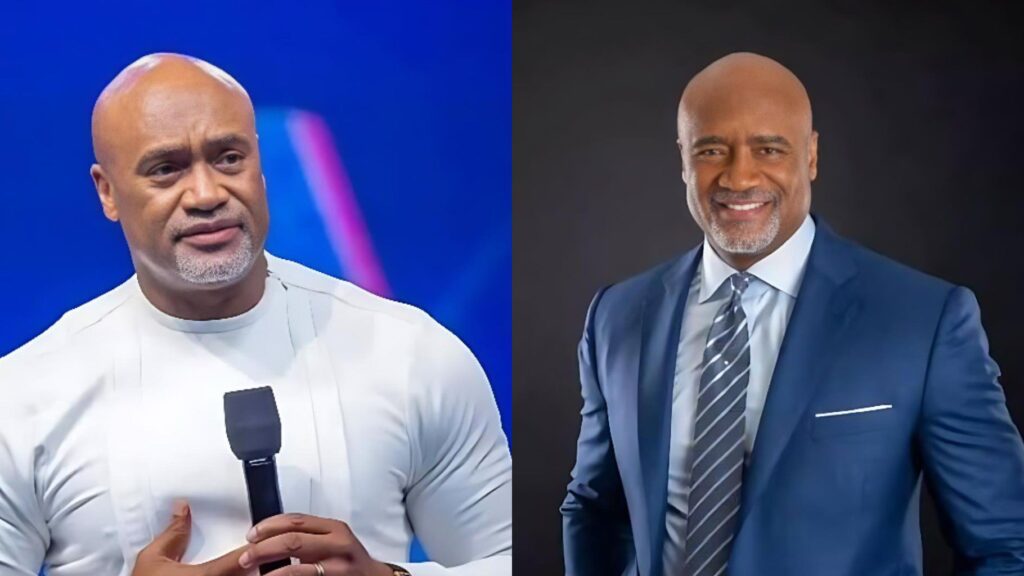
In his address he said that although he hopes never to see the country go to war, if it becomes necessary “I am ready for it.” He warned that the country’s security landscape is shifting and that Nigeria may already be operating on a front in a wider global conflict, a point that feeds into the growing national security debate.
Rising threats and deeper coordination
He pointed to the growing influence of global extremist networks and said they are coordinating with local groups to displace indigenous communities in the Middle Belt and the Northeast. He claimed these operations are well-funded and tied to interests benefitting from illegal resource extraction.
His warning echoes other recent commentary on national security and public calls for citizens to defend the country and demand clear answers from leaders.
A call for strategic national unity
Pastor Adefarasin argued that Nigeria’s brightest minds — from all ethnic groups and across professional sectors — must unite to develop a coordinated national strategy. He said intelligence, strength and unity are required to permanently defeat those who threaten the country’s stability.
He also urged the Nigerian diaspora to view their eventual return as tied to a secure and prosperous homeland, noting that many left because “the country was not working for them.”
Hope remains for peace
Despite the strong tone of readiness, he emphasised that his preferred path remains peace, dialogue and long-term stabilization. He stressed that being prepared does not mean seeking conflict — it means ensuring the nation is not caught off guard.
This message adds to a growing public debate about national security and the role of civil society and faith leaders in shaping public discourse, and it sits alongside recent domestic incidents that have stirred official action and public concern, for example the NYSC withdraws a corps member story that drove national conversation on conduct and oversight.
As Nigeria faces this critical moment, voices like Pastor Adefarasin’s highlight how faith, strategy and civic engagement increasingly intersect in discussions about national survival and renewal