Key Points
- Umahi says it is not yet the Southeast’s turn. He urges patience and unity across the region.
- He cites a pact by southern governors before the election. That pact handed the South’s slot to Tinubu.
- The minister says 2031 is the right window to try. He adds the region has many skilled, ready hands.
Minister of Works David Umahi (David Nweze Umahi) urged patience. He told the News Agency of Nigeria in Abuja on Sunday. He said Bola Tinubu (Bola Ahmed Tinubu) holds the South’s slot.
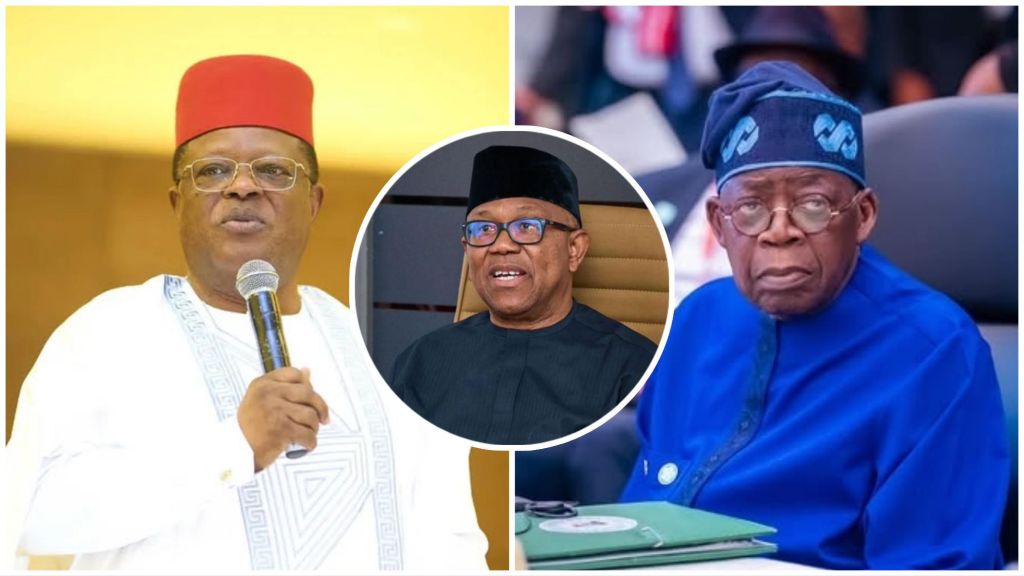
“No, it is not our time,” Umahi said. Seventeen southern governors met in Asaba and backed southern power. His stance echoes this South-East backs Tinubu report.
Umahi’s timeline and rotation logic
He said, “He has to finish his eight years.” “When he does in 2031, the Southeast can then vie.” He framed this as fair play within a South-first deal.
South-East context and next steps
He acknowledged past marginalisation in the region too. That history, he said, hurt APC support in 2023. He still praised the region’s eminently qualified pool for later.
Umahi said many leaders from the region can run later. He urged calm planning, broad ties, and steady work with allies. Recent debates across the region show rising interest.
Analysts note his timeline keeps Tinubu’s two-term path intact. They say 2031 becomes the clear year for a push. Umahi’s words will test party ties across the South-East.
He closed by calling for unity, balance, and calm talk. Related talk in Orji Kalu South-East claims shows strong heat. He asked elders to guide youths toward firm, law-based plans.
Observers expect the remark to stir debate across parties. Supporters call it honest talk on zoning and fair turns. Critics view it as a snub that weakens early bids.
Some recall the Asaba meeting as a rare united front. They argue each zone should honour that pledge in good faith. Umahi repeats that view as a guide for near plans.
For now, Tinubu remains the South’s face at the top. The region, Umahi says, should build reach and skills. Its case for 2031 grows when voters trust long, steady work.