
Key points:
- Dangote Group starts a $2.5bn urea project in Ethiopia. The plant sits in the Gode area.
- Partners sign with the Ethiopian government in Addis Ababa. Output targets three million tonnes yearly.
- Construction timeline is set for about forty months. Officials project thousands of jobs.
Dangote Group has broken ground on a major fertiliser complex in Ethiopia. The investment is valued at $2.5 billion. It is planned for the Gode area in the country’s Somali Region. The company says the project will lift local supply and exports.
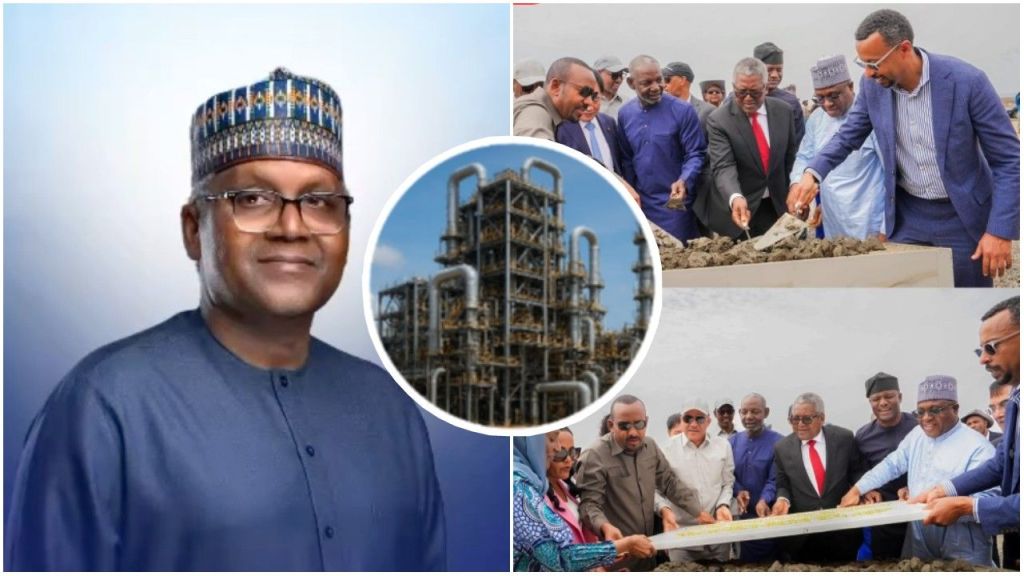
At a shareholder agreement event in Addis Ababa, executives from Dangote Fertilizer Limited joined Ethiopian officials. Photos from the ceremony showed the signing and site flag-off. The plan is to produce around three million metric tonnes of urea each year. Work is slated to run for about forty months.
What the plant adds to Ethiopia’s farm goals
Ethiopia’s growers need more inputs for higher yields. A local urea hub cuts import pressure and foreign-exchange demand. It also improves planting timelines for small and large farms. The government expects fresh jobs across the value chain.
The complex will feature ammonia and urea units, storage tanks, and loading bays. It will include utilities for power, water, and logistics support. Engineers also plan safety systems for high-pressure operations. Commissioning will roll out in phases after test runs.
Output from the Gode facility could serve regional markets. Neighbouring states face similar input gaps and price swings. A steady East African supply should smooth those shocks. It also boosts trade in a key, non-oil sector.
Industrial projects often spark broader city upgrades. Roads, power lines, and housing follow new plants. That means more work for local firms and artisans. A recent job push in Kano shows a similar public focus on safety and work, as seen in Kano deploys 380 anti-phone snatching marshals.
Meanwhile, business talk has stayed hot across social platforms. Fans and analysts debate tax, jobs, and growth after TV finales and big wins. For a recent policy explainer, see Akin Akinwale explains taxes on Imisi’s prize. Today’s project feeds that wider talk on work and industry.
Timeline, funding, and next steps
Funding will blend equity, loans, and supplier credit lines. Procurement will prioritise proven tech for urea granulation. Contractors will phase civil works with equipment deliveries. Local training will build plant-ready skills before start-up.
Officials say early works include soil tests and access roads. Camps and laydown yards follow soon after. Environmental and social plans will guide each stage. Community briefings will continue as milestones are met.
When complete, the facility should anchor a strong agro-inputs base. It aligns with Africa’s push for food security. It also supports farmer incomes by cutting long supply chains. The numbers, if met, would mark a big shift in regional capacity.