
Key Points
- ASUU sets a two-week warning strike across public universities. Union cites long-standing unmet demands.
- Government says labour law allows the no work no pay rule. Officials insist talks remain open.
- Students fear fresh campus closures and lost academic time. Parents want quicker, concrete steps.
The Federal Government has warned that it will apply the “no work, no pay” rule if the Academic Staff Union of Universities (ASUU) goes ahead with its planned nationwide action.
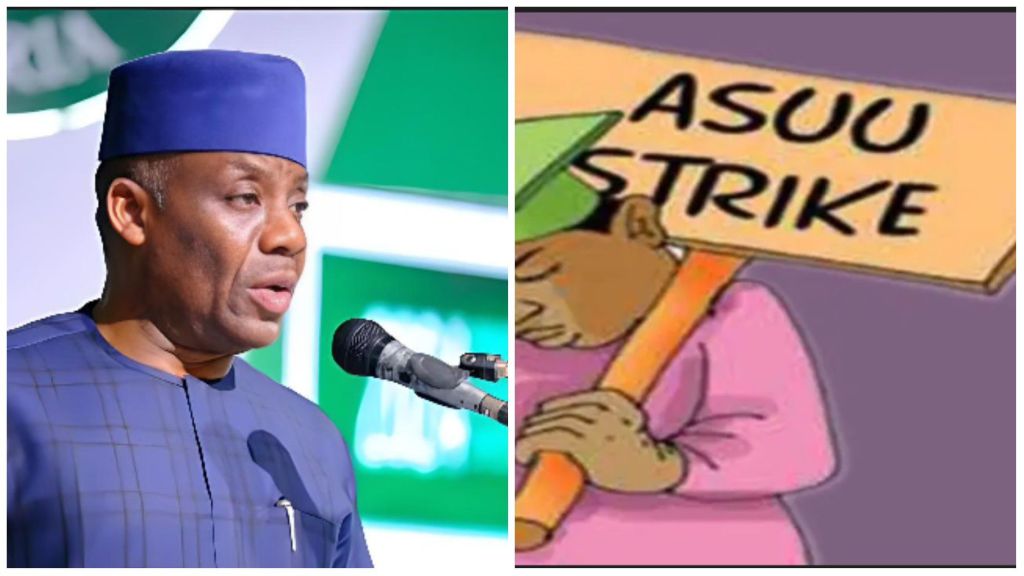
The union earlier announced a two-week warning strike to press long-standing demands on funding and pay. Officials said they still prefer talks but will guard public funds.
ASUU leaders say past deals remain on paper while classrooms suffer. They listed stalled talks on the 2009 agreement, withheld salaries, and broader funding gaps. See our earlier report on the two-week ASUU warning strike.
Government position and next steps
The Ministry of Education said the law backs a no-work policy. It added that “dialogue, not confrontation” is still its key path. It assured students and parents of efforts to keep schools calm.
Officials argue the stance protects fairness in the public purse. They said the state shows “goodwill and flexibility” at the table. They also stressed that real progress needs stable campuses.
Union demands and likely impact
ASUU wants firm action, not new timelines or broad vows. It seeks a deal on pay lines, past arrears, and university funding. It warns the strike proceeds unless it sees concrete steps.
University terms have already stretched from past shutdowns and delays. Students fear more weeks of lost study and research time. Parents say trust will rise only when signed steps start.
Sector watchers note the broader context for higher learning. Rankings and quality signals keep shaping the policy debate today. Recent analysis on 2026 Nigerian university rankings shows why stability matters for campuses.