
Key points:
- Aide Sunday Dare says the figure needs context and review. He calls it unrealistic and not a headcount.
- Presidency cites the $2.15 PPP yardstick as the source. It says the tool skews results and lags real life.
- Government insists reforms are working despite short-term pain. It says living standards will improve with time.
The Presidency has rejected a World Bank claim that 139 million Nigerians now live in poverty. It argues the estimate is exaggerated and built on a narrow global yardstick.
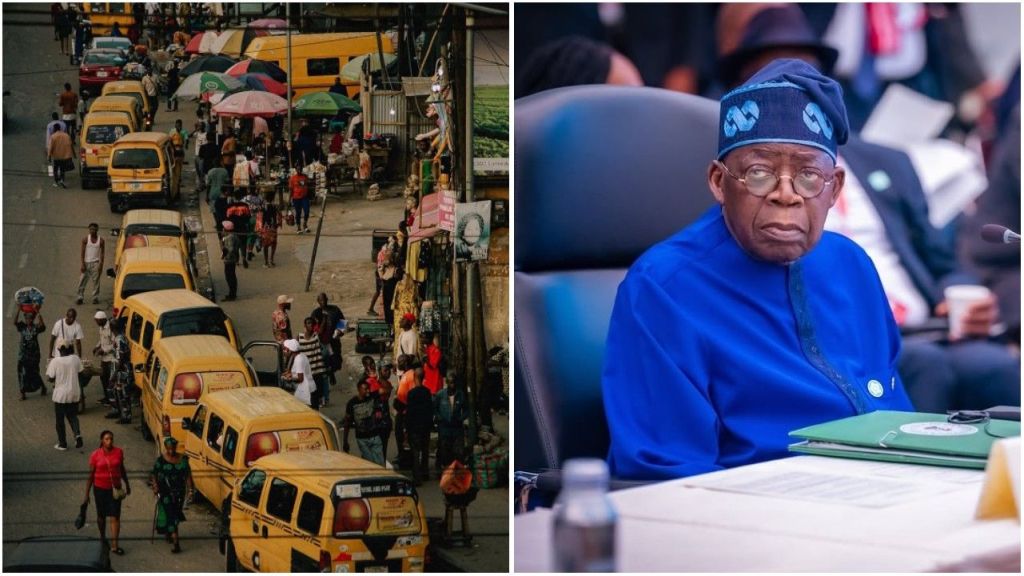
In a post on X on Wednesday, President Bola Tinubu’s Special Adviser on Media and Public Communication, Sunday Dare, asked that the number be “properly contextualised.” He said the figure is “unrealistic” and does not reflect current conditions on the ground.
What the Presidency argues
Officials say the number flows from the bank’s $2.15-per-day poverty line under purchasing power parity. That benchmark, set years ago, feeds a model and not a live headcount. “The estimate should not be read as a literal tally,” Dare said.
They also note that converting $2.15 to naira produces a high monthly sum. By that math, the line sits around ₦100,000 per month today. The Presidency says that bar does not map cleanly to Nigerian prices and household coping systems. It adds that the method leans on old survey data and misses large informal and subsistence activity.
Officials point to reform tracks on the exchange rate and fuel subsidy. They argue these “foundational” moves will lift growth and jobs as stability builds. See our explainer on the exchange rate and petrol subsidy reforms.
What the World Bank warned
At the October launch of the Nigeria Development Update, the bank flagged deep stress for households. It praised reform steps yet warned that gains have not eased daily costs for many families. It traced a climb in the count of poor since 2019 due to policy slips and external shocks. Read our brief on the Nigeria Development Update launch in Abuja.
The Presidency says that view should be read as a global projection, not a final verdict on 2025 welfare. It maintains that growth, revenue, and reserves are improving. It believes inflation will cool as stabilisation takes hold. “Nigeria values its partnership with the bank,” Dare wrote, “but the number must be read with care.”
Officials promise ongoing work to shield the most vulnerable. They cite cash support, food supply measures, and push for jobs. The government says results will firm up as reforms settle and data updates land.