Key Points
- Irabor says some politicians fuel terrorism for selfish political goals. He warns this support deepens violence and slows real solutions.
- The ex-defence chief explains Nigeria faces many linked threats. He lists ideological, religious, criminal and economic motives behind attacks.
- Irabor urges careful analysis instead of one simple blame story. He says wrong labels hide sponsors and weaken trust in security.
Former Chief of Defence Staff Lucky Irabor has warned publicly. He says some Nigerian politicians help to fund terrorism. He also accuses them of twisting insecurity to seek power and advantage.
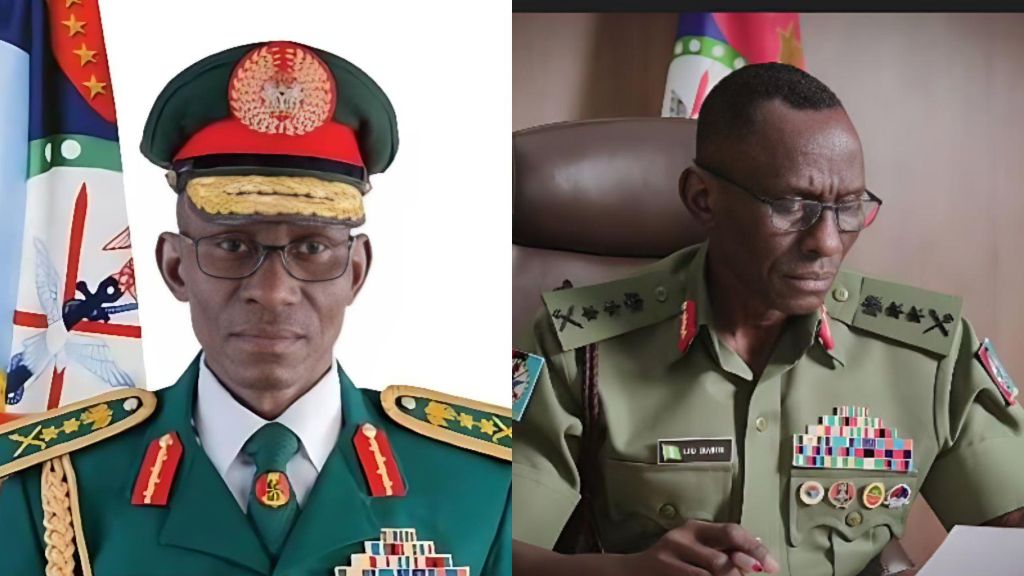
Irabor spoke on Channels Television’s Politics Today programme on Monday night. He broke down how politics, crime and belief all drive violence across Nigeria. His warning came as debates grow over US visa sanctions over religion.
The interview aired barely a day after a presidential aide spoke. The aide said the government may name suspected terror financiers soon. Irabor welcomed tough steps but warned against careless talk and simple labels.
Irabor says insecurity has many faces
Irabor rejected the claim that insecurity in Nigeria is purely political. He said there are ideological fighters who push hard belief systems. Others, he added, chase money through kidnap, raids and other crimes.
Irabor also spoke about people who target Christians in planned strikes. He then mentioned armed groups who drive villagers from their land and seize homes. Some criminals simply look for weak spots to steal, he noted.
Because each group works for different aims, Irabor urged people to think clearly. He warned that mixing every case into one phrase hides key details. Those missed details, he said, can shield real sponsors from blame.
Why blanket labels are dangerous
Irabor argued that poor analysis leads to wrong plans and wasted effort. He said saying only politics drives violence makes people ignore other motives. That habit, he warned, can shape weak laws and weak spending choices.
The retired general urged leaders to read field reports closely. He said they must listen to people living under threat.
He added that strong, honest data helps trace money, weapons and false stories. His view echoes wider calls, including Obasanjo warning on bandit attacks.
Politics, policy and the search for answers
During the show, Irabor stressed that politics still plays a part. He said some actors benefit when fear grows and trust falls.
They may, he claimed, block fixes or feed conflict to gain office. Yet he also pointed to poor policing and weak jobs. He said slow justice systems also push some people toward crime.
Irabor called for better welfare for troops and clear support for security agencies. He said fair pay and equipment help honest security work.
Strong systems, he argued, reduce space for secret deals with gangs. For citizens, he advised calm talk and steady pressure. He asked people to check facts before sharing claims online.
The former defence chief led Nigeria’s armed forces in recent years. His time in office covered hard fights with Boko Haram and ISWAP.
He reminded viewers that today’s violence also includes bandits, kidnappers and local thugs. Each group, he said, tests weak spots in policing and politics.
Nigeria has faced rising attacks on villages, farms and highways. Abductions for ransom keep hitting many states in different regions.
In that context, Irabor’s claim about political sponsors adds fresh heat to public debate. It also links to wider global moves against terror funders and religious attackers.
Just this week, the United States announced new visa limits. The step targets Nigerians linked to attacks on worship and belief.
That move and Irabor’s comments keep focus on sponsors. People now ask sharper questions about who pays for guns and training.
Security watchers say tracking money flows is key to progress. They argue that cutting funds can weaken many groups at once.
Still, Irabor’s main message was that Nigeria’s pain has many roots. He urged leaders and citizens to avoid quick blame and lazy talk. Careful study, he argued, offers the only real path to long term peace