Key Points
- Trump says South Africa failed to stop farm attacks. He orders immediate suspension of US payments and subsidies.
- The move blocks South Africa from the US-hosted G20 summit. Miami will host the G20 meeting next year.
- Diplomats warn the action may raise regional tensions. Analysts say careful talks are still needed to calm things.
Former president Donald J. Trump bars South Africa from the 2026 G20 summit. He orders an immediate suspension of all US payments and subsidies to Pretoria.
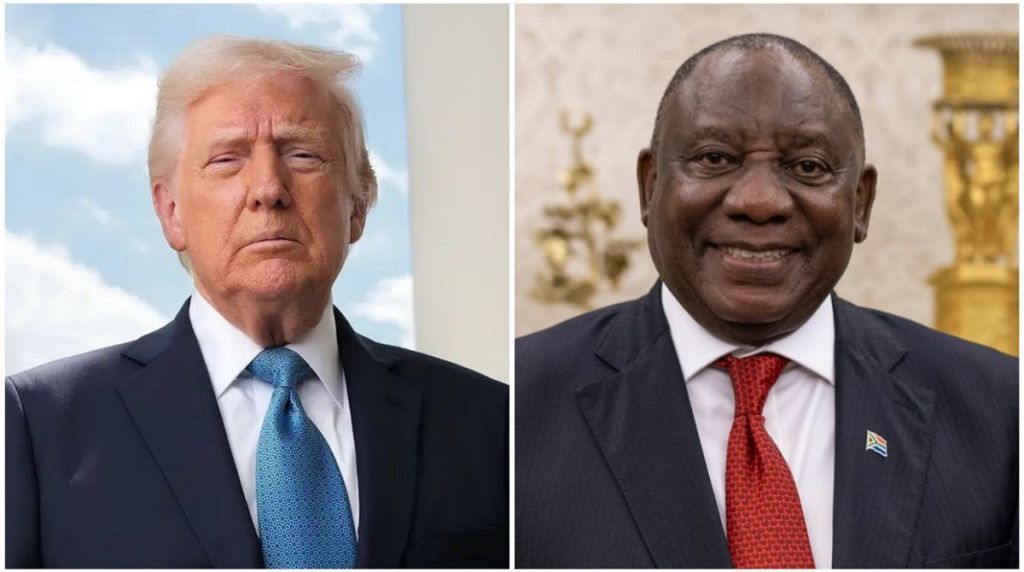
He wrote in a long social media post that South Africa ignored violent attacks on farms and failed to act. The message said Washington did not attend the G20 in South Africa for those reasons.
Trump also said South Africa refused to hand off the G20 presidency at the closing ceremony. The post claimed a US embassy representative was not allowed at the final event.
The White House framed the move as pressure to force Pretoria to meet US concerns. Officials said cutting payments and subsidies sends a clear diplomatic signal to partners.
Why Washington says it acted
The White House said the decision aims to pressure Pretoria to meet US concerns. Officials said cutting payments sends a clear diplomatic signal to foreign partners.
Some lawmakers asked for evidence to justify the sweeping aid cuts and bans. Others supported caution while they review the claims and legal basis.
South African officials denied the specific claims and urged calmer discussion. They said Pretoria works through courts and diplomatic channels to seek answers.
Separately, ValidUpdates covered wider US tensions across Africa and local responses; see Nigeria rejects Trump’s country tag for a similar US reaction. That report shows how other capitals publicly pushed back against related US claims.
The G20 work covers finance, trade and global health programs shared by members. Blocking a planned host from future meetings is an extreme diplomatic action.
Miami’s selection as host gives the United States strong influence over the agenda. Removing South Africa from future G20 events could alter regional voices at talks.
Legal experts say the US can suspend some foreign assistance under existing statutes. But cutting all payments may face court challenges and require formal review.
Human rights groups urged verification before broad punitive steps are taken. They called for independent checks and clear public evidence of attacks.
Aid programs at risk include health partnerships and climate finance projects. Private sector groups said funding pauses could stall joint investment plans.
Market watchers warned that sudden policy shifts may unsettle investors in the region. They urged clear timelines to limit economic harm from diplomatic rows.
Civil society groups warned about harm to vulnerable people if aid stops. They urged targeted measures that protect civilians while concerns are examined.
International partners called for calm and fact-based dialogue between capitals. Some nations may press for independent probes to verify claims and evidence.
For now, the practical step is a pause in US funding and invitations. How long the suspension lasts will depend on talks and proof.
Diplomats say both sides should return to clear, narrow talks soon. That path offers the best chance to protect aid and ease tensions.