Key Points
- Viral graphic spreads a claim in her name. She says it is false.
- She urges the author to stop using her image. She warns legal steps.
- Post trends as Trump-related stories swirl online. Context helps readers judge claims.
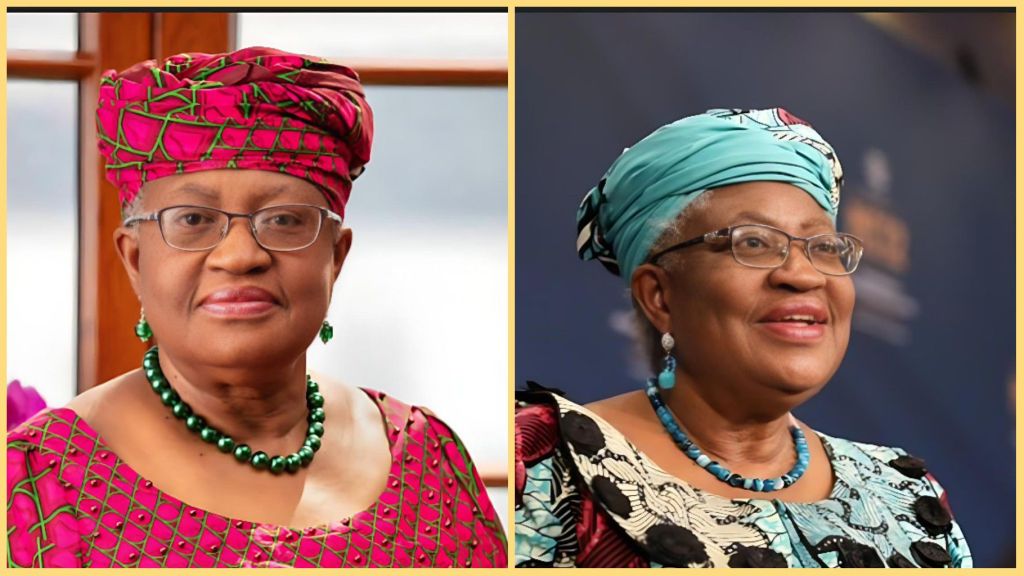
Dr Ngozi Okonjo-Iweala has denied a viral WhatsApp post that slammed Nigerian leaders for “negotiating with bandits.” The World Trade Organization chief said the message, which used her photo and a misspelt name, did not come from her.
The denial landed while Trump-themed Nigeria stories trended widely this week. For context on that online wave, see our earlier report: Trump threatens strike on Nigeria.
Okonjo-Iweala posted a short note warning the public to ignore the graphic. She added that whoever wrote the message should use their own name rather than hers. “Beware this story going around is false,” her alert said on social media.
Her team says they are taking steps to trace the source. They argue that the fake note tried to cash in on her profile to push a harsh view on current security debates.
The viral text claimed that local leaders praise killers while victims suffer. It also accused top figures of turning “killers into talking-head celebrities” rather than jailing them. None of that language matches her public tone or record.
Fact checks by editors show the card carried a wrong spelling of her surname. That error alone cast doubt on the claim before the WTO boss spoke. The design also lacked a clear time stamp or outlet credit.
Misinformation often spikes when sensitive topics dominate feeds. The latest rush followed days of heated talk about faith attacks and US policy. Abuja has also pushed back on new foreign claims about Nigeria’s security scene; see our explainer: Nigeria rejects Trump concern tag.
Readers should watch for red flags on shareable cards. Check names, dates, links, and whether a quote exists on an official page. When in doubt, search for the same words on reliable sites before you share.
Okonjo-Iweala has long urged calm, unity, and honest debate in public life. Her office says that stance has not changed, despite the noisy online space. The aim now is to stop the false post from spreading further.
Why the fake quote spread fast
The card used a formal portrait that many people recognise at once. It also used short lines that ride emotion during tense national talks.
What to check next time
If the text cites a famous figure, confirm it on their verified pages. If an image carries bold claims with no links, treat it with care.