Key Points
- Michelle Obama shares blunt views on Black women’s hair rules. She says straight hair demands stop women from living freely.
- Obama explains how styling costs drain time money and energy. She says braids help women focus on work and health.
- She backs legal moves that protect natural hair in workplaces. Her comments renew talks on race respect and body autonomy.
Michelle Obama (Michelle LaVaughn Robinson Obama) has sparked fresh debate over Black hair. The former US First Lady spoke openly about how rules shape women’s looks.
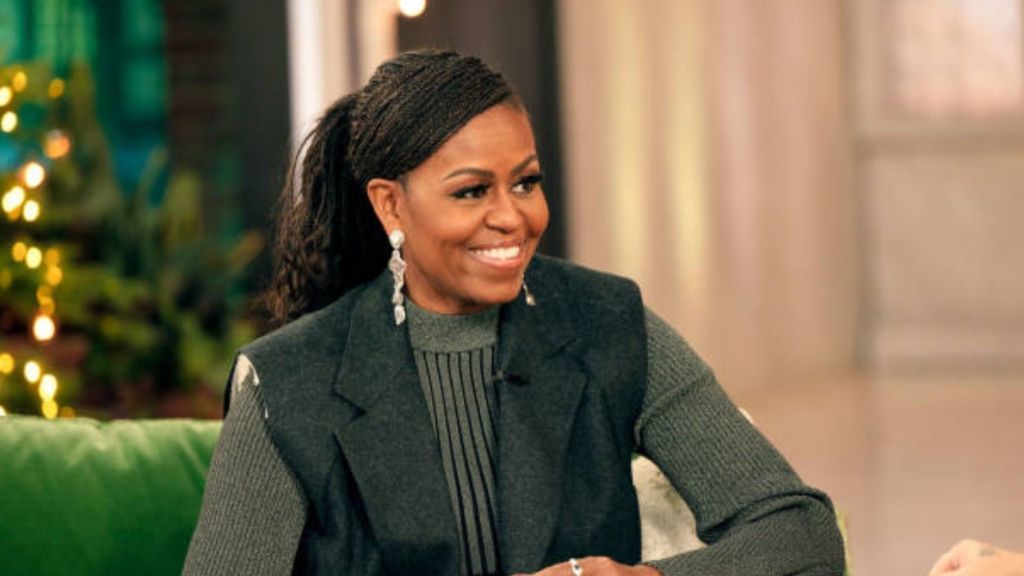
She said many Black women still feel pushed to keep hair straight for approval. The talk follows fresh coverage of her marriage in recent love posts about them.
Obama said white beauty ideas still shape choices at home, work, and school. She argued that straight styles can limit fun plans like swimming or sports. For many, fear of ruining hair means skipping rain, gyms, and pools.
How hair rules affect daily life
Obama told people that Black hair often grows in tight curls by default. “Let me explain something to white people, our hair comes out curly,” she said. She said straightening it to meet outside standards can leave women feeling trapped.
Obama linked that strain to why some women avoid pools, rain, or beaches. She said many skip gyms or long walks just to guard fresh styles. In her words, straight hair can turn daily life into careful planning.
She called the chase for sleek hair exhausting, costly, and hard on the body. Money spent on relaxers, heat tools, and salon visits soon piles up. She said time lost in chairs could instead go to rest or plans.
Braids and protective styles as practical choices
Obama said braids and other protective styles free women to focus on life. With less fear of rain or sweat, they can swim, work out, and relax. “Braids are for you all so we can work,” she joked.
Obama also turned to law, pointing to US rules on hair bias at work. She noted that bills like the CROWN Act try to block unfair treatment. “Why do we need a law just to wear our hair?” she asked.
Respect, law, and workplace change
Obama urged people not to question or touch Black hair without consent. She said curiosity is no excuse for hands in someone’s braids or afro. In her view, true respect means leaving choices alone and listening more.
Her words land in a wider talk on race, respect, and daily stress. Across the world, Black women share stories of bias at school, work, and salons. Recent notes from press voices on how life drains Nigerian women add weight.
Many say firm rules at work can help people wear natural hair safely. Clear rules against bias let staff focus on tasks, not hair. Obama’s comments now feed that push, as firms review codes and training.