Key Points
- Fayose accuses the president of favouring two regions over Igbo. He says this hurts national unity and trust.
- He shared the claim in a short viral video posted online. The clip shows him speaking directly about ambassador picks.
- The message adds to wider debate about appointments and regional balance. Many readers are asking for clearer answers from Abuja.
Ayodele Isaac Fayose told President Bola Tinubu that his recent ambassadorial picks look unfair to Igbo people. He said the choices suggest Igbo votes matter less than promises and that this harms trust across communities.
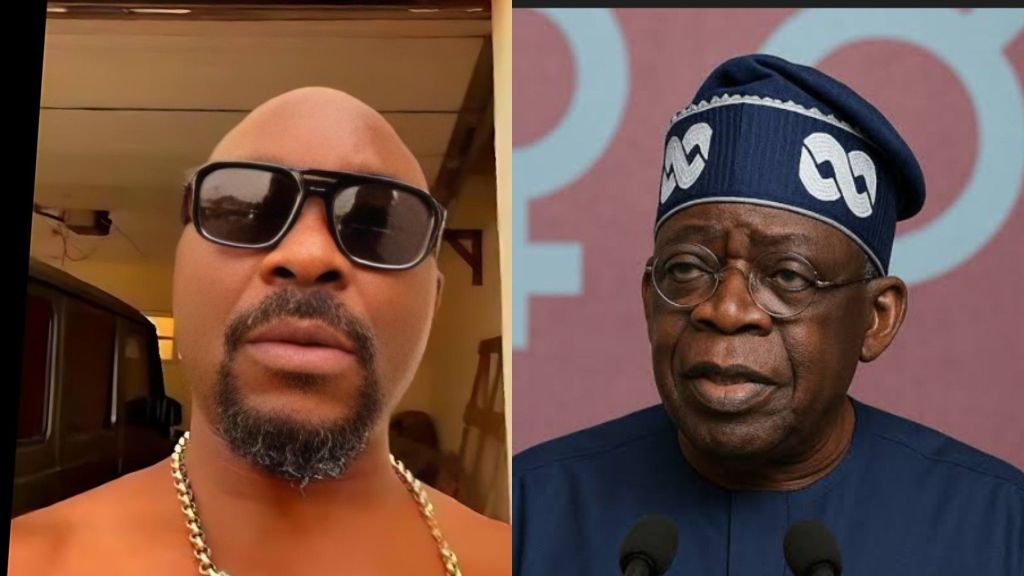
Fayose spoke in a direct video and named what he saw as a pattern in president picks. He linked the appointments to wider complaints about regional balance and called for clear, fair choices. See the recent report on the Obasanjo refund for background. Obasanjo return of $20,000
What Fayose said and why it matters
Fayose warned that words asking for Igbo support do not match action he sees. He said leaders must show through job choices that all regions count equally. He pointed to the recent ambassador list as proof of a wider pattern.
The video has stirred talk online and among some politicians and civil groups. Observers say this debate ties into long calls for fair regional balance in appointments. The row could shape voter mood ahead of future contests.
Fayose also urged calm and lawful push for change from those who feel sidelined. He said people should demand clear answers and fair steps from power holders. His speech follows other recent stories about national issues and public figures. Pope names Nigeria persecution hotspots
What happens next
The presidency has not issued a detailed reply to Fayose’s specific claims this afternoon. Officials often say appointment lists follow many rules and consultations. Campaign groups and community leaders may press for quick public clarity in the coming days.
Fayose’s message adds pressure on ministers and the presidency to explain how they made their choices. That may prompt promises of review or fresh appointments to ease tensions. For now, the story is driving talk about fairness and who gets public jobs