
Key Points
- Court jails a German nurse for life after lethal injections. Judges say ten deaths and many attempts happened during night shifts.
- Prosecutors describe a severe disorder and no trace of remorse. He used morphine and midazolam to lighten work on duty.
- Early release is blocked due to particular severity of guilt. Investigators exhume bodies as more possible victims are identified.
A German court has jailed a 44-year-old nurse for life. Judges said he killed ten patients and tried to poison twenty-seven more.
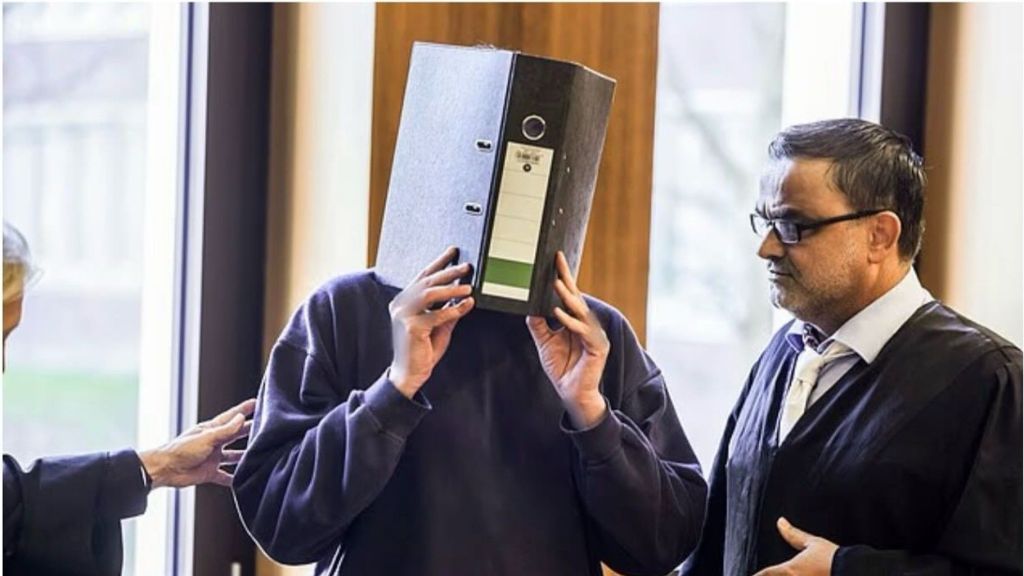
He used lethal injections during night shifts to make his workload lighter. In other updates, Regina Daniels video explanation draws steady reactions today.
Prosecutors said he played “master of life and death” on the ward. He showed no remorse during trial, according to their assessment.
How the injections were given
The court heard he used morphine and midazolam on mostly elderly patients. Investigators traced sudden deaths between December 2023 and May 2024.
He worked at a clinic in Wuerselen, near Aachen, since 2020. He had earlier trained in 2007 and moved through several employers.
Police arrested him last summer after staff flagged unusual deaths on shifts. Exhumations continue while police now look for more possible victims.
What the life sentence means
Germany allows early release after fifteen years when guilt is not severe. The court said his guilt was especially grave, blocking that option.
Experts cited a severe disorder but said he knew his actions. Prosecutors added he worked without drive and showed little empathy. Elsewhere today, Mercy Johnson release plea keeps that family dispute in view.
The crimes echo the case of nurse Niels Hoegel from 2019. He was convicted of killing eighty-five patients across two northern hospitals.
Doctors found morphine and midazolam were used in many cases. Prosecutors said he chose them to subdue patients and avoid long care.
Court staff said he looked blank in court and kept away from viewers. The judge noted a clear lack of care during the hearings.
Hospital leads checked shift logs and drug stocks before calling police. That audit matched spikes in deaths to his nights and patient lists.
Police said a second trial is possible if more victims emerge. Lab tests on remains will guide teams on dose and timing.
The case also raises questions about staffing and night supervision in wards. Health officials promised tighter checks and deeper reviews of hiring records.
Hoegel claimed he induced arrests to play hero during resuscitation drills. This case differs because prosecutors said the motive was simple ease.
For families, the ruling brings answers but not the closure they seek. The hospital says it will support kin and work with every inquiry.
Local rules kept his name withheld to protect proceedings during appeals. Reports say disclosure may follow once further cases reach the court.
The clinic says staff will get support and stronger speak-up channels. Union leaders urged fair rosters and enough hands on high-care wards.