
Key points:
- The bill targets citizens convicted of crimes overseas. It adds a 10-year ban on passports.
- Sponsors say the plan will curb fake identities. They also want tighter checks at issuance.
- Leaders back tougher rules for national image. They promise a public hearing soon.
The Senate moves to tighten passport rules. It backs a bill to ban new passports for some citizens. The target is Nigerians convicted of crimes overseas. The ban would last for at least ten years.
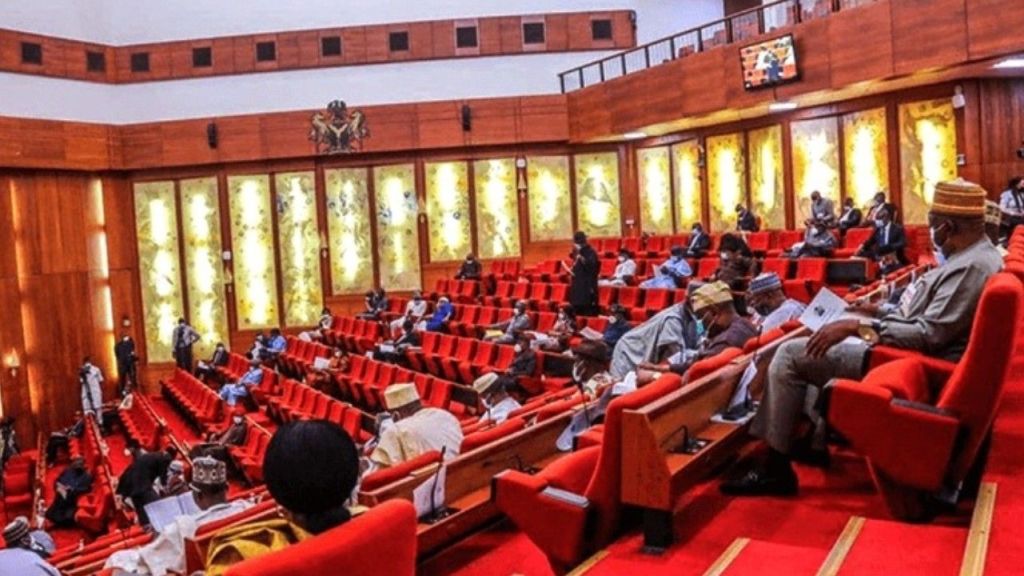
Lawmakers say the aim is simple. They want to protect the nation’s image abroad. They also want stricter checks at every issuance point. The bill cleared second reading after a voice vote. Support in the chamber was broad and firm.
What the bill seeks to change
Sponsor Babangida Hussaini says the bill closes gaps. He claims non-Nigerians exploit weak checks to get passports. He also says misuse hurts the “green passport” brand. His pitch is direct and plain. “We must reclaim the dignity of the green passport,” he says.
The draft sets a 10-year ban on new passports. It applies after a foreign court conviction. It is a clear, hard pause on travel documents. It also signals stronger scrutiny on identity claims. The Interior Committee will now take the draft. A public hearing is due next.
Why lawmakers say the ban matters
Senate President Godswill Akpabio backs the move. He calls it a bold step for national dignity. He recalls a robbery in Dubai years ago. Suspects were first tagged as Nigerians, then cleared later. The case, he says, shows why rules must be tight.
The chamber links the ban to deterrence. It wants penalties that follow offenders home. That, they argue, may curb crimes abroad. It may also protect law-abiding travellers’ image. The committee stage will test the fine print. Stakeholders will weigh costs and gains.
The plan also fits wider justice themes this month. Courts have issued stern rulings in recent cases. See our coverage of a Kano content case and custody order. There was also a Scottish rape sentence for a Nigerian man. These stories show strong signals on crime. Lawmakers now want passport rules to reflect that stance.
Debate will now shift to details and scope. Who qualifies as “convicted abroad” will be key. So will appeal rights and time served abroad. Border agencies must also align their systems. Clear rules will help avoid double punishment claims. The hearing should address these hard points.
If passed, the ban would be rare in Africa. Few states link foreign convictions to home travel bans. Backers think the step will lift respect abroad. Critics may fear excess force or errors. The committee process should air both views well. Final votes will come after the hearing report.