
Key Points
- Korede Bello says poverty is curiosity’s biggest hidden threat. He argues survival stress stifles learning and bold thought.
- He cites Elon Musk to show privilege enables exploration. People cannot dream big when rent or food threatens.
- He urges basics for youths to unlock invention across Africa. He adds success favours curious, self-taught minds beyond school.
Nigerian singer Korede Bello reflects on poverty’s grip on curiosity. He posts a reflective Instagram video about learning and dreams. His message links money troubles to stunted thought and growth.
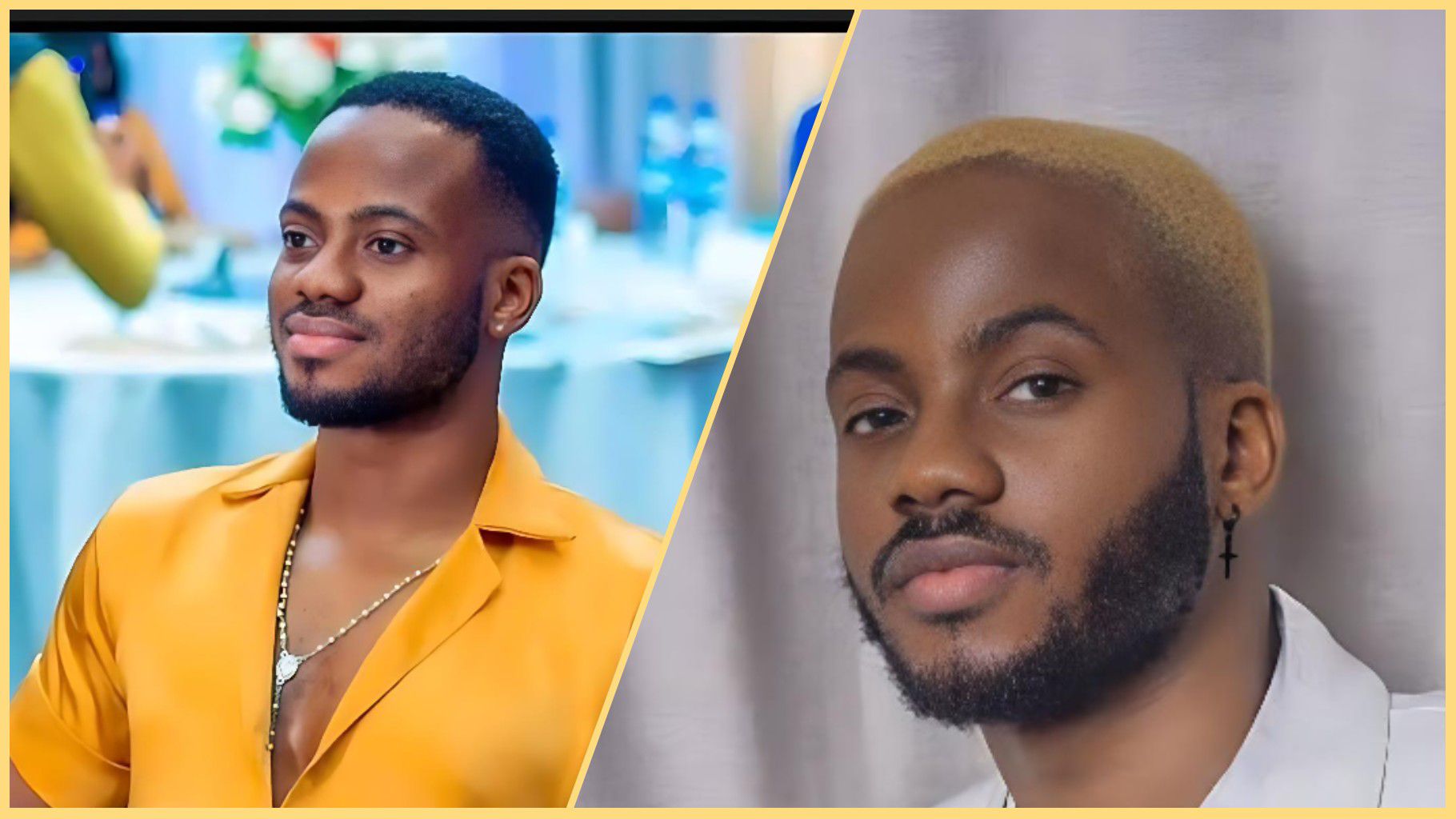
Bello says poverty is a barrier to free, deep study. He points to Elon Musk to explain resource privilege. A recent Peter Obi youth redirection line offers parallel context.
Why poverty blocks curiosity
Bello argues curiosity needs time, calm, and mental spare room. He says survival worries shrink that space and slow thought. “Is Musk thinking space travel if rent is due,” he asks.
Basic needs first, then big ideas
He says many bright youths stall because hunger drives choices. Stable food, shelter, and power would unlock bold experiments. “When you stop surviving is when you start living,” he adds.
He frames success as a habit built on steady curiosity. Books, labs, and online courses help fill skill gaps fast. He notes many leaders teach themselves while school sets basics.
He encourages policy and private support for creative hubs. Small grants and safe centres can turn ideas into trials. Mentors and gear lower risks for first-time inventors.
The wider debate includes trust in schools and credentials. Public rows over records show why reform talk keeps rising. See Uche Nnaji certificate dispute for a related backdrop