
Key Points:
- NUEE begins an indefinite strike across the power sector. Members stop work after talks with TCN failed.
- Union blames slow wage plan and wide casual jobs. Leaders say other old demands remain unresolved today.
- Blackout risk rises as crews step away from duties. Homes and firms may face long, hard power cuts.
Nigeria may soon go dark across many towns. Power staff began an indefinite strike on Wednesday.
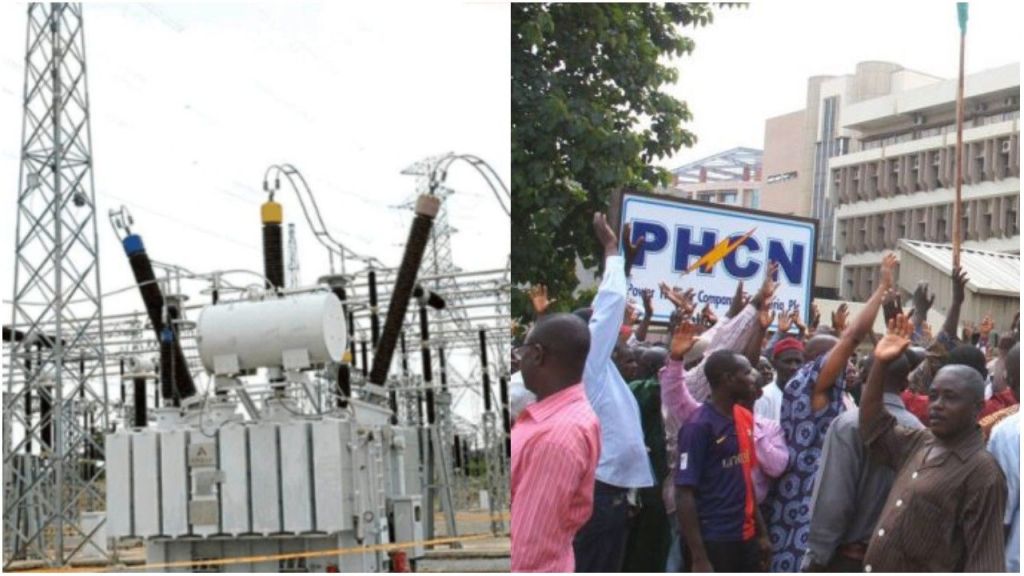
The National Union of Electricity Employees leads the action. Leaders say key issues remain, despite talks with government.
Why NUEE downed tools
The union cites failure to start the new wage. It also rejects wide use of casual staff. Leaders list more old demands without clear fixes. They say talks with TCN show no real plan. Their last ultimatum to TCN ran out this week.
Acting secretary Dominic Igwebike signed the new notice. In his words, TCN showed no care at all. The power field now goes “down the drain,” he warned. He also told members to drop tools at once. Work will resume only when management meets clear terms.
The union blames the federal government for slow wage action. Members will stay off duty until TCN meets all terms. However, talks may restart if both sides agree soon. Mediators may step in to speed a fair deal.
How a blackout could hit daily life
Homes and firms may see long power cuts soon. Grids and stations need staff on site every hour. With crews out, faults may last long across states. Shops, banks, and farms may use more fuel. Prices may rise, and small firms may close early.
Earlier this month, resident doctors held a five-day warning strike. That move strained care in key state hospitals. Likewise, talks grew tense after a Dangote refinery price cut. Those rows show how fast work stoppage can spread pain.
Past strikes often cut power in many parts nationwide. Water plants, cold stores, and labs may feel quick pain. Schools and media houses may run on backup longer today. Commuters may face traffic at busy fuel stations later. Meanwhile, some towns may share power for short hours. That plan helps weak grids hold up under stress.
Union leaders urged calm among staff and power users. They promised quick updates as events move each day. For now, lights may dim across towns and key sites. People should charge phones and plan fuel for needs.