
- – Charly Boy criticises Pastor Adeboye’s recent apology about tithing, claiming it lacks sincerity and action.
- – The singer expresses frustration over hypocrisy within religious circles and calls for greater accountability from leaders.
- – His comments spark discussions on the relationship between faith, financial contributions, and the authenticity of spiritual guidance in Nigerian churches.
In an unexpected twist, Nigerian singer and activist Charles Oputa, widely known as Charly Boy, has voiced his thoughts on Pastor Enoch Adeboye’s recent apology concerning the contentious issue of tithing.
The General Overseer of the Redeemed Christian Church of God stirred the pot when he stated, “If you don’t pay tithe, you won’t make it to heaven,” and later retracted this claim during a sermon.
A Mixed Message from the Pulpit
Pastor Adeboye issued a public apology, acknowledging that his previous statement was misleading. He clarified, “I’m sorry, that’s wrong, and it’s not in the Bible. What the Bible says is, ‘Follow peace with all men, and holiness, without which no man shall see God.’”
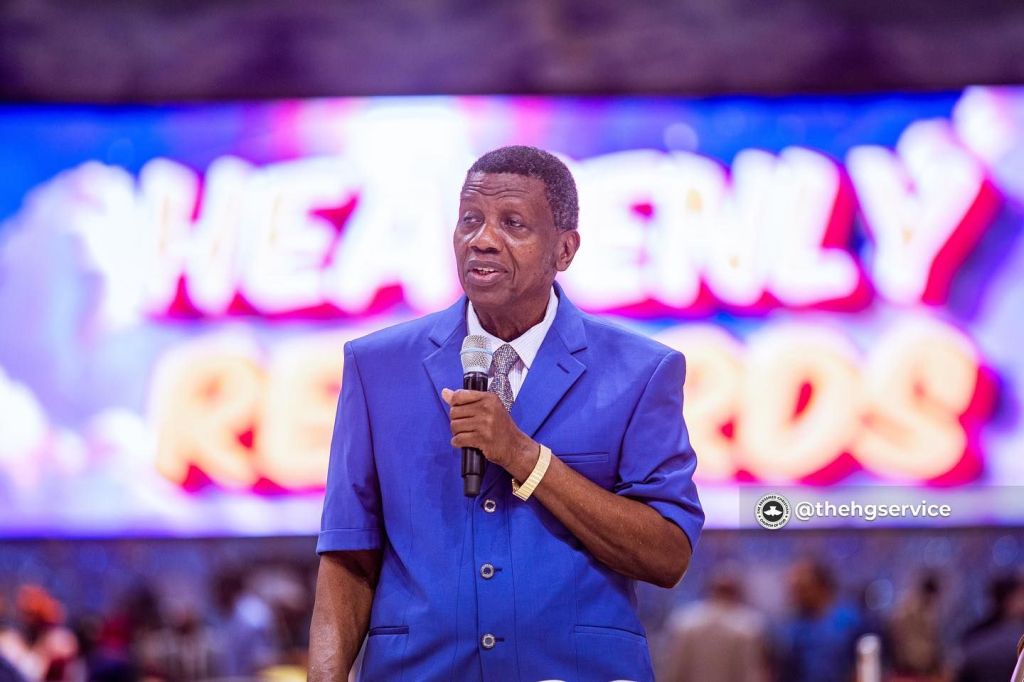
This clarification aimed to reassure his congregation and reaffirm the spiritual essence of their faith, rather than the financial obligations tied to it.
However, Charly Boy isn’t buying it. He argues that an apology without action holds little value. The singer expressed his scepticism about Adeboye’s sincerity, insisting that real change requires more than just words.
“Your apology doesn’t mean anything unless you promise to return the tithe money collected from people yearning for a path to heaven,” he stated emphatically.
Charly Boy’s Bold Critique
In a passionate outburst on social media, Charly Boy shared his views on the hypocrisy he perceives within some religious circles. “I truly believe that a lot of the fakest people are found in churches,” he declared. His words struck a chord with many who share similar frustrations about the shortcomings of religious leaders.
He continued, “Sometimes the nicest people you meet may have bodies covered with tattoos, while the most bitter, judgmental, and envious individuals fill the pews on Sundays.”
Highlighting his disdain for what he perceives as misleading teachings, Charly Boy referenced Adeboye’s past advice to discard televisions. He claimed that these kinds of instructions reveal a deeper inconsistency in the pastor’s message. “Since your announcement decades ago to throw away their TVs, I knew that your way wasn’t pure,” he asserted.
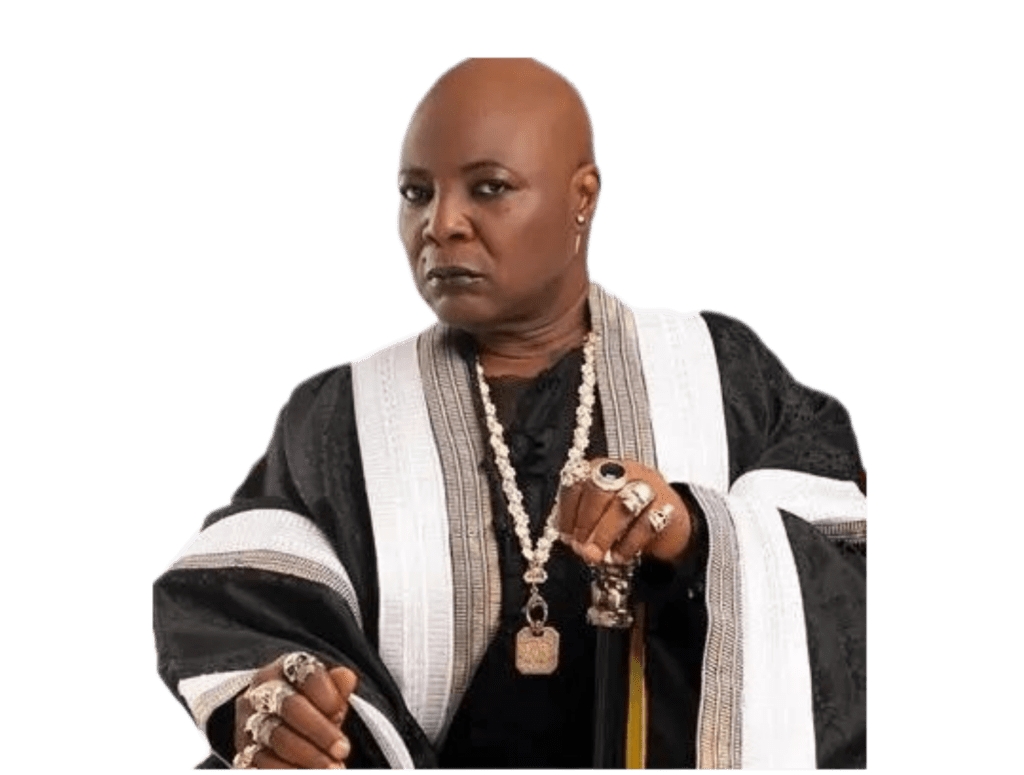
A Call for Accountability
Charly Boy’s critique extends beyond Pastor Adeboye’s apology. He emphasised the need for religious leaders to be held accountable for their statements and actions. “There is nothing worse than a fault-finding finger-pointing pastor who is as fake as the blings of a wannabe artist,” he lamented.
His rather colourful language underlines the frustration felt by many citizens regarding perceived insincerity in religious leadership.
As conversations about tithing and church accountability continue to unfold, Charly Boy’s candid remarks shed light on a broader dialogue about the role of faith, leadership, and financial contributions within Nigerian churches.
The singer’s comments undoubtedly resonate with many who crave authenticity and sincerity in spiritual guidance, igniting a much-needed debate on accountability in the church.null